If you picture East Austin as one thing, you will probably miss what makes it so appealing. In East Central Austin, you can find older bungalows and cottages, updated historic homes on compact lots, and newer townhomes built for low-maintenance urban living. If you are trying to match your home style to the way you actually want to live, this guide will help you understand the options and the everyday lifestyle that comes with them. Let’s dive in.
East Central Austin at a glance
East Central Austin sits in the city’s east-side urban core, with planning areas that include Central East Austin and East Cesar Chavez. The City of Austin describes this part of town as home to some of the city’s oldest relatively intact historic neighborhoods, while also facing steady redevelopment pressure from demand for central-city housing and commercial space.
That mix is a big reason the area feels layered and active. You are not looking at a single type of housing or a suburban layout. Instead, you see a blend of older homes, infill development, neighborhood-serving spaces, and streets that often feel more compact and connected.
Home styles in East Austin
Bungalows and cottages with character
If you love charm, East Austin’s older homes are often the first thing that catches your eye. Austin’s historic survey identifies the bungalow as the most common early 20th-century house type in the area, typically with one story, low-pitched roofs, broad eaves, a prominent porch, and compact interior spaces.
You will also see pyramidal or hipped cottages. These are usually compact one- to one-and-a-half-story homes with simple room layouts and a front porch. In practical terms, they often offer character, a strong connection to the street, and a footprint that feels efficient rather than expansive.
Folk homes and renovation potential
Some of East Austin’s oldest homes are simple folk forms such as two-room houses and shotgun houses. The city’s survey notes that these homes often had small, linear layouts and later rear additions because the original floor plans offered limited space.
That matters if you are shopping for a home with personality but also trying to picture daily life. Some older properties may feel charming right away, but they can also need updates, expansion, or reconfiguration to better fit modern routines.
Updated older homes on smaller lots
One of the most common East Austin lifestyle tradeoffs is lot size. The city notes that older buildings are often on smaller lots, which helps create a denser, more walkable feel rather than a large-lot suburban pattern.
For you, that can mean more porch life, mature trees, and a stronger relationship to the street, with less emphasis on a deep backyard. If your priority is central location and neighborhood texture, that trade can be very appealing.
Modern homes and infill living
Why newer homes show up here
East Central Austin is also a major infill story. Austin’s planning framework allows housing variety in the Central East Austin planning area, including Secondary Apartments and small-lot Urban Home development on qualifying lots in certain subdistricts.
That policy helps explain why newer townhomes, duplex-style homes, and other missing-middle forms appear so often in this part of town. In many cases, new construction is not replacing the area’s urban feel. It is adapting that feel into a more modern format.
What modern townhome living looks like
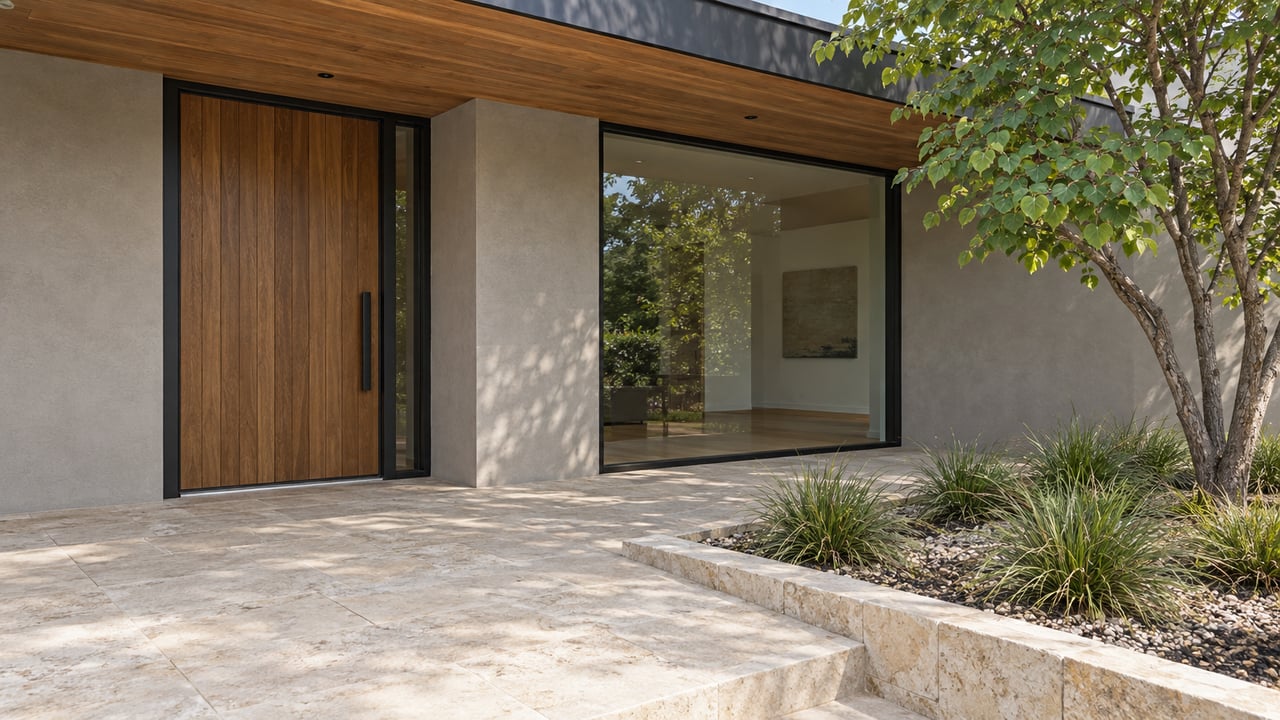
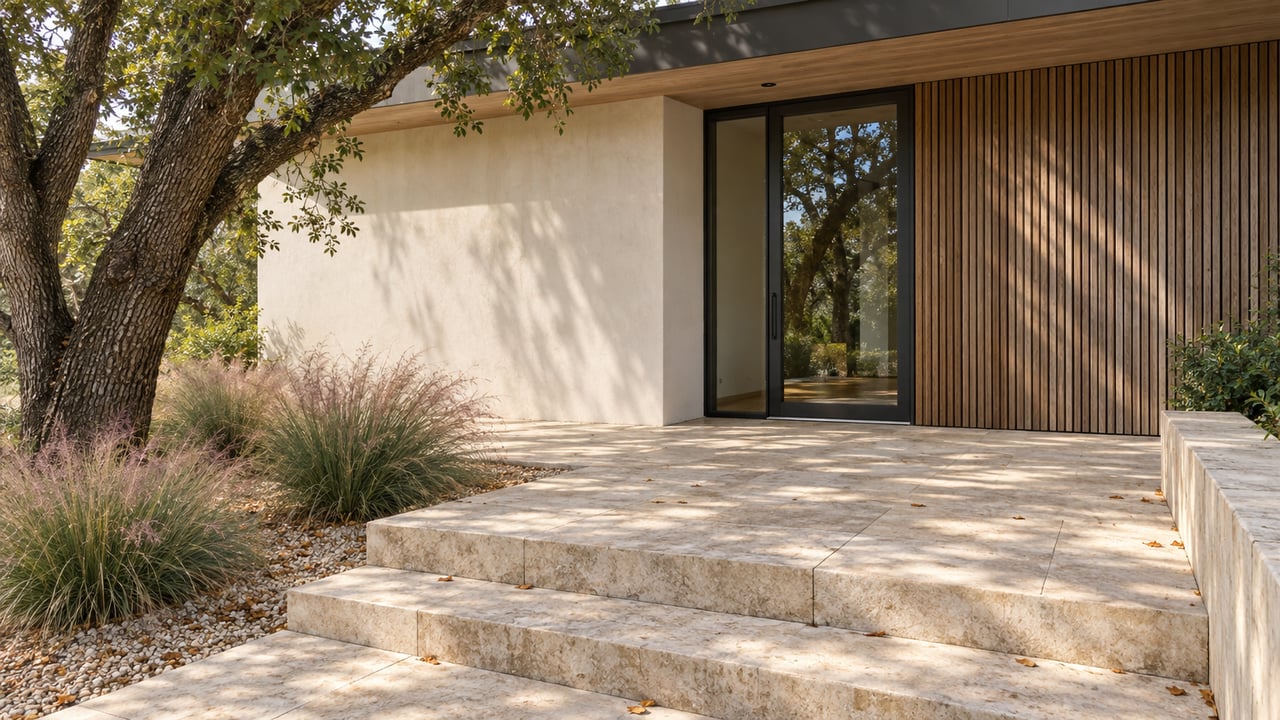
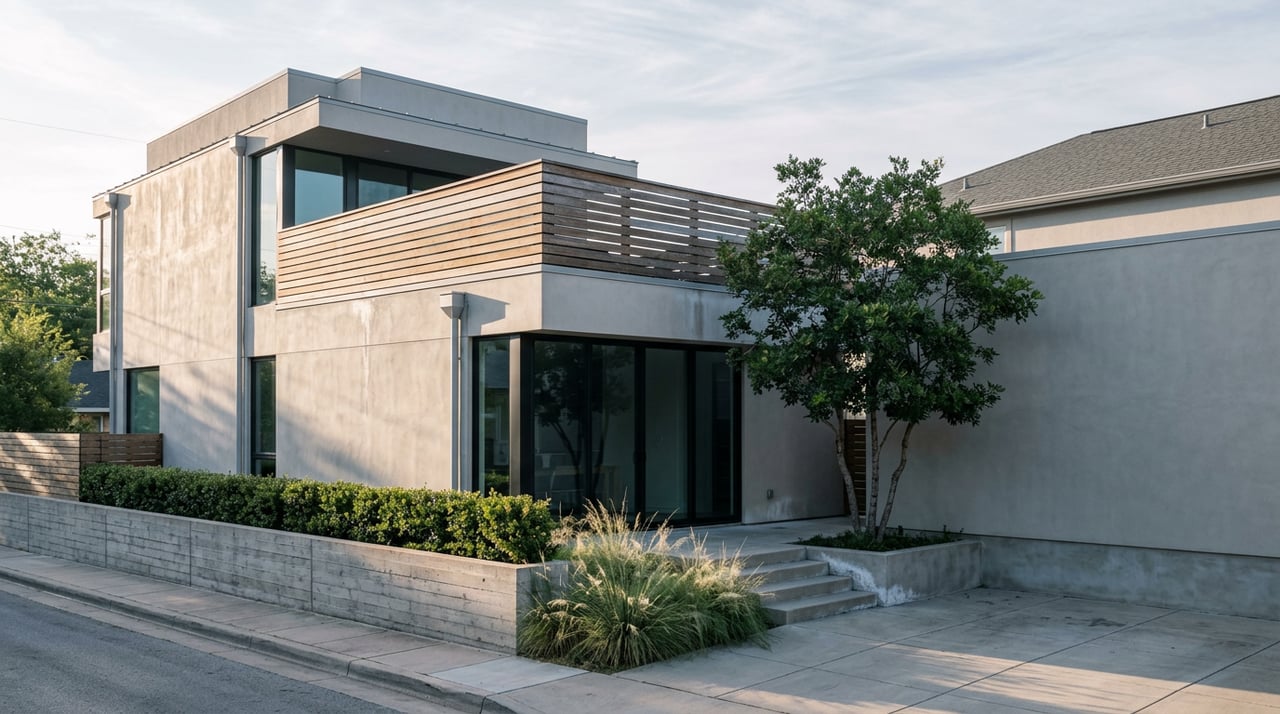
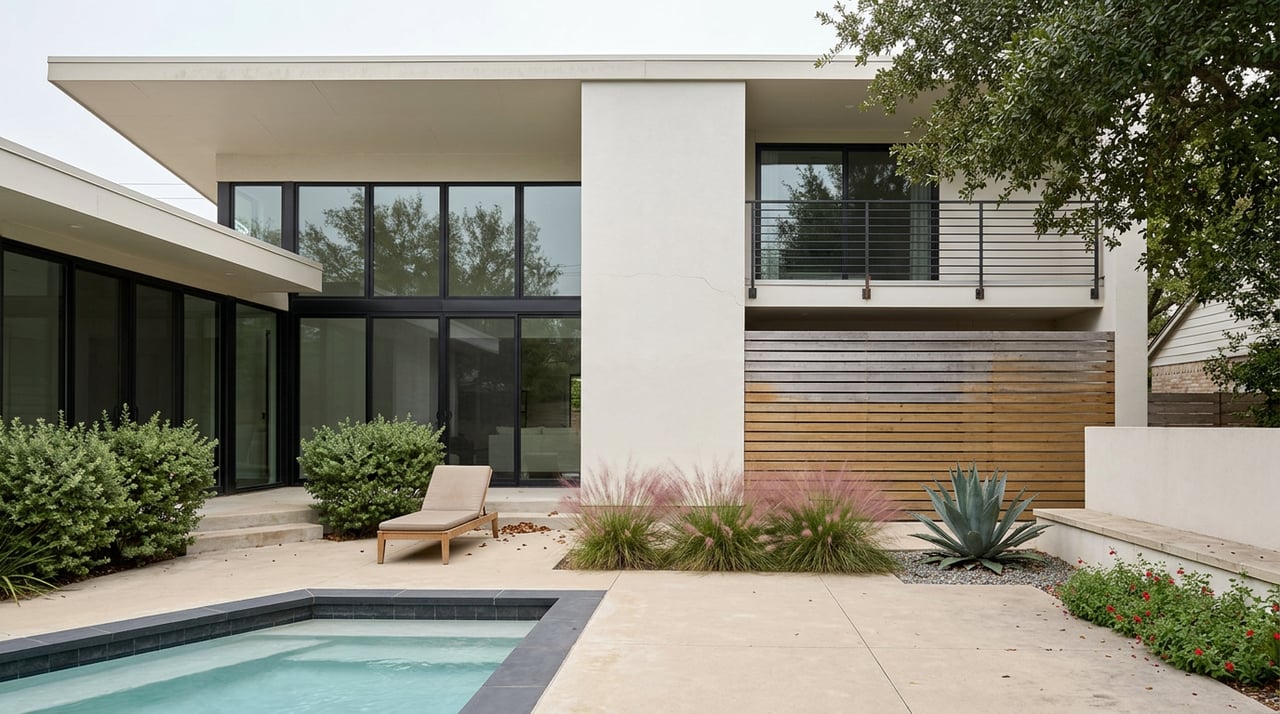
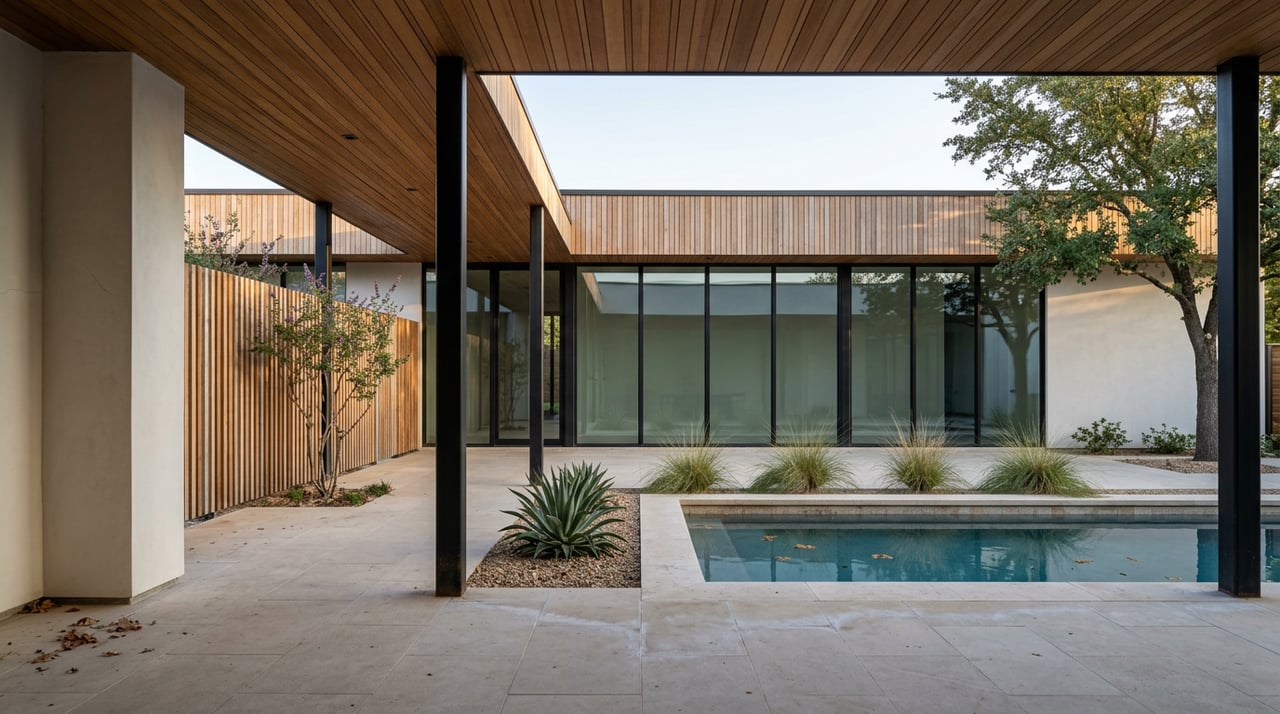
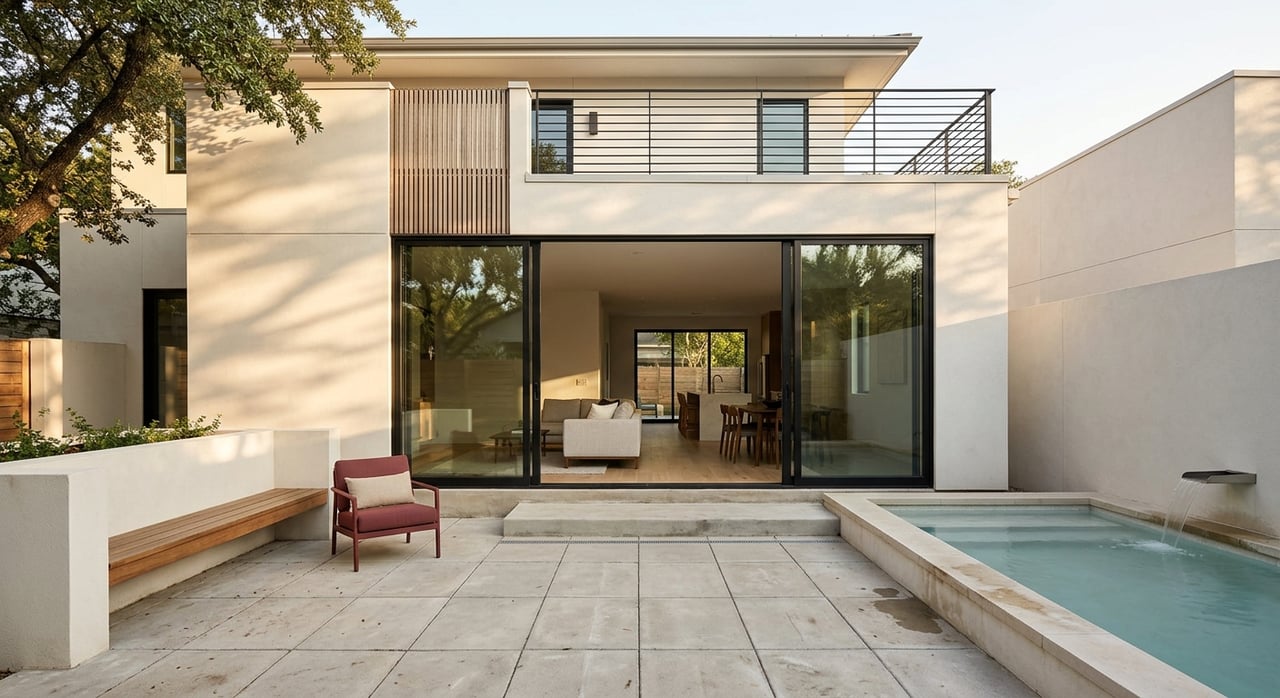
Recent East Austin projects give a clear picture of what newer living often includes. Examples in the area feature three-story townhomes, 2- to 4-bedroom layouts, covered front porches, garage options, open-concept interiors, and minimalist design.
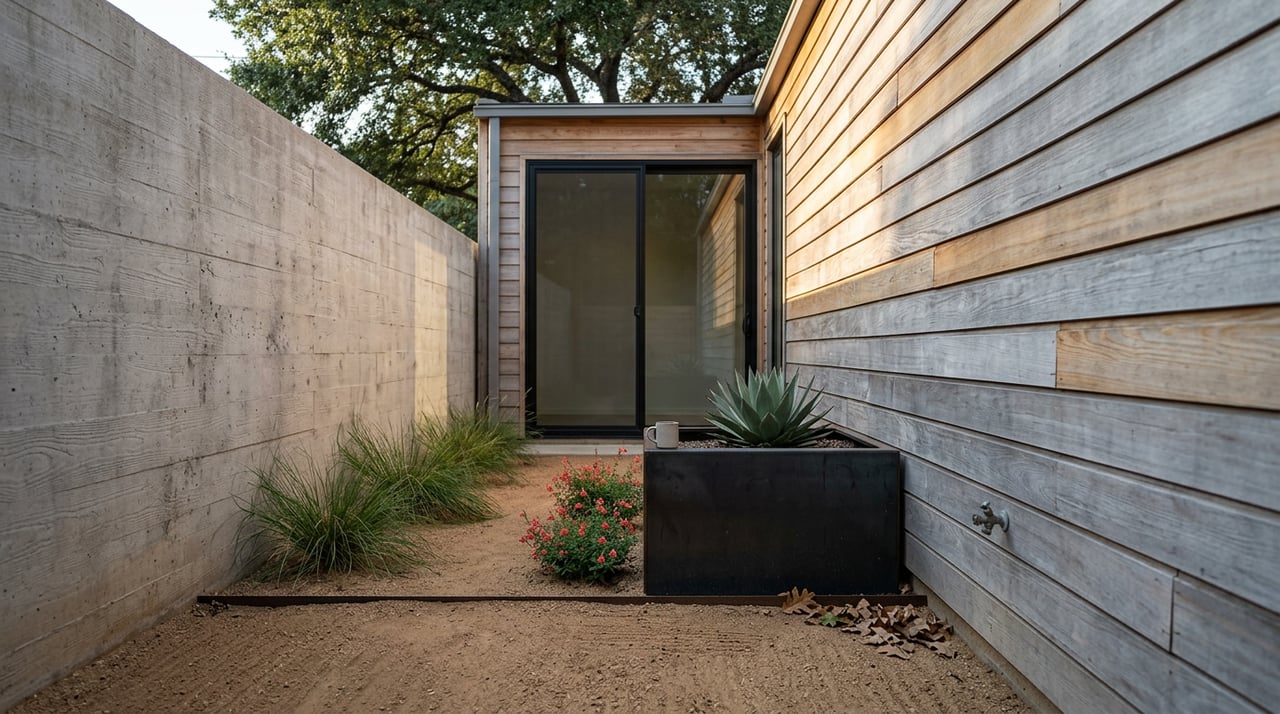
You will also see outdoor space handled differently than in a traditional single-family home. Instead of a large yard, newer homes may offer private patios, shared courtyards, or rooftop terraces. That setup works well if you want private outdoor space without the upkeep of a large lawn.
A low-maintenance option for urban buyers
If your schedule is busy and your focus is convenience, modern East Austin homes can be a strong fit. Newer properties often lean into easy maintenance, efficient layouts, and design-forward finishes that support a more turnkey lifestyle.
For many buyers, that means a simpler weekly rhythm. You may give up some yard space, but you gain easier upkeep, more contemporary layouts, and a living style that fits close-in Austin routines.
What everyday life feels like
A compact, connected neighborhood pattern
Austin’s infill guidance notes that older traditional neighborhoods often mixed housing types with neighborhood commercial uses near key intersections. That pattern made services and amenities more reachable by means other than the car.
That planning lens helps explain why East Central Austin can feel so livable. The area often functions less like a spread-out subdivision and more like an urban neighborhood where housing, daily needs, and local gathering spots sit closer together.
Dining, arts, and street activity
East Cesar Chavez is one of Austin’s oldest districts, and the city describes it as a corridor known for culinary offerings, artistic expression, community spirit, public art installations, gateways, and pocket parks. That gives the east-central area a strong sense of place beyond the homes themselves.
The arts presence is also a real part of local identity. The East Austin Studio Tour began in East Austin in 2003 to raise visibility for local artists, and Canopy operates as an East Austin creative community with studios, galleries, retail, pop-ups, open studios, and live events.
The city’s African American Cultural and Heritage Facility on East 11th Street adds another important layer of place and history. It is housed in a circa-1880 home in one of the earliest African American communities in East Austin.
Outdoor access close to the core
For an urban area, East Central Austin offers impressive outdoor access. The Ann and Roy Butler Hike-and-Bike Trail at Lady Bird Lake is a 10-mile loop and also serves as an alternative transportation route for the urban core.
Other nearby or area-serving trail and green space projects add to that access. EastLink is a proposed 5.1-mile trail connection for Central East Austin, the Southern Walnut Creek Trail extends more than 7.3 miles from Govalle Park toward Walnut Creek Sports Park, and Boggy Creek Greenbelt is being restored as a greenbelt amenity for walkers, hikers, and wildlife observers.
How to choose the right East Austin home style
Choose older homes for charm
If you are drawn to original detail, front porches, and a home that feels rooted in Austin’s history, an older bungalow or cottage may be the right fit. These homes often offer personality and a distinctive street presence that is hard to replicate in new construction.
The tradeoff is usually space and layout. You may need to be comfortable with smaller rooms, a tighter footprint, or future renovation work.
Choose updated homes for balance
An updated older home can offer a middle ground. You keep some of the architectural character and compact-lot urban feel, while gaining improvements that make daily life easier.
This can be a smart path if you want East Austin atmosphere without taking on a full renovation project. It often suits buyers who care about both design and function.
Choose newer homes for ease
If low maintenance, parking, and modern layouts are at the top of your list, newer townhomes or condos may make the most sense. These homes often align well with buyers who want a polished, lock-and-leave lifestyle near the city core.
They also tend to match the way many people live today. Outdoor space may come as a patio, balcony, or roof terrace rather than a large yard, but that can feel like a benefit if you value simplicity and convenience.
Why local guidance matters in East Austin
East Austin is not a plug-and-play market. Historic homes, renovation-ready properties, compact-lot infill, and modern townhomes all exist within a relatively close area, and each option creates a different living experience.
That is why neighborhood fluency matters. If you are buying, it helps to understand how architecture, lot size, and block-by-block setting affect daily life. If you are selling, thoughtful presentation and positioning can make a major difference, especially when your home’s appeal is tied to design, lifestyle, or location within the urban core.
Whether you are drawn to a porch-front bungalow or a modern townhome with clean lines and a rooftop terrace, East Austin offers a broad range of ways to live close to the center of the city. If you want help identifying the right fit or positioning a property for the market, Lesley Taylor offers a thoughtful, full-service approach grounded in Central Austin expertise.
FAQs
What home styles are common in East Central Austin?
- East Central Austin commonly includes older bungalows, compact cottages, folk-style homes such as two-room or shotgun houses, updated historic homes, and newer townhomes or infill housing.
What should you expect from lot sizes in East Austin?
- Many older East Austin homes sit on smaller lots, which often creates a denser, more walkable feel with more emphasis on porches, patios, and street-facing living than on large backyards.
What does modern living in East Austin usually include?
- Newer East Austin homes often include open-concept layouts, covered parking or garages, patios, shared courtyards, and in some cases rooftop terraces instead of large private lawns.
What is the lifestyle like near East Cesar Chavez?
- The East Cesar Chavez area is known by the city for culinary offerings, artistic expression, public art, pocket parks, and a strong neighborhood identity within one of Austin’s oldest districts.
What outdoor access is available from East Central Austin?
- East Central Austin has access to major outdoor amenities including the Ann and Roy Butler Hike-and-Bike Trail at Lady Bird Lake, the Southern Walnut Creek Trail, the proposed EastLink connection, and the Boggy Creek Greenbelt.