Discover the Rainey Street Historic District in Austin
A vibrant Central Austin neighborhood known for renovated historic homes, and bungalow-style residences.
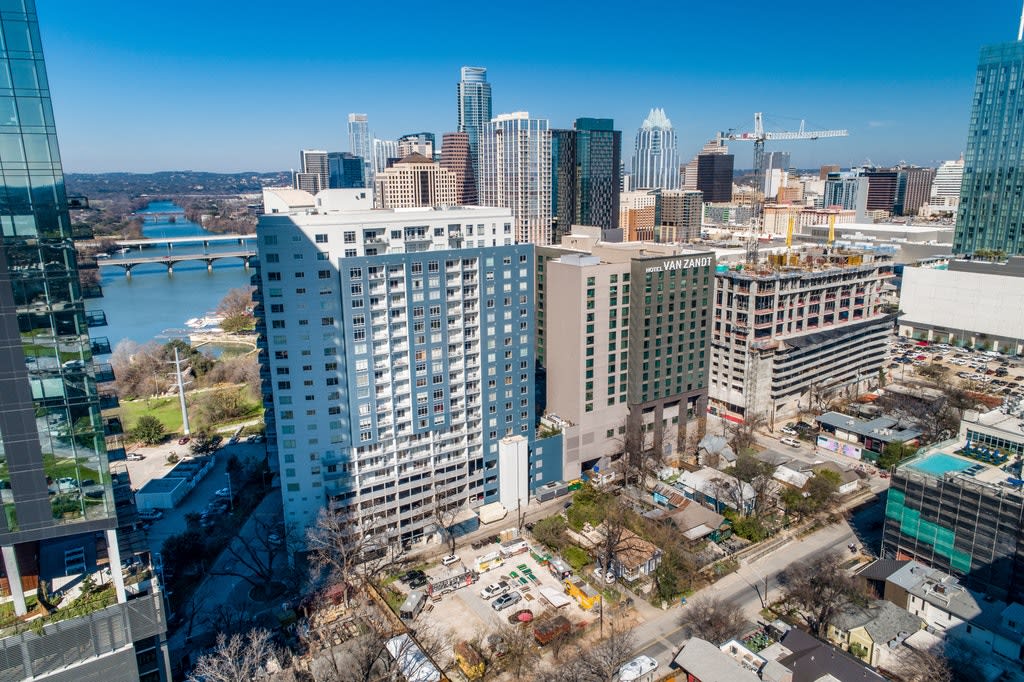
A vibrant Central Austin neighborhood known for renovated historic homes, and bungalow-style residences.
The Rainey Street Historic District is a unique Austin neighborhood with deep historic roots dating back to the early 20th century. Originally a residential street lined with small bungalows, the area has evolved into a lively district while maintaining its historic charm, earning designation on the National Register of Historic Places.
Today, Rainey Street blends preserved historic homes and renovated cottages with a dynamic nightlife and entertainment scene, including popular bars, restaurants, and food trucks. Its central location provides walkable access to downtown Austin, Lady Bird Lake, the Austin Convention Center, and cultural attractions, making it ideal for both residents and visitors seeking an urban lifestyle.
Known for its eclectic character, historic architecture, and proximity to downtown amenities, the Rainey Street Historic District remains a highly desirable neighborhood for buyers and renters who value culture, walkability, and Austin’s iconic live-music scene.
2,144 people live in Rainey Street Historic District, where the median age is 47 and the average individual income is $137,519. Data provided by the U.S. Census Bureau.
Total Population
Median Age
Population Density Population Density This is the number of people per square mile in a neighborhood.
Average individual Income
Rainey Street Historic District has 1,480 households, with an average household size of 1. Data provided by the U.S. Census Bureau. Here’s what the people living in Rainey Street Historic District do for work — and how long it takes them to get there. Data provided by the U.S. Census Bureau. 2,144 people call Rainey Street Historic District home. The population density is 21,947.64 and the largest age group is Data provided by the U.S. Census Bureau.
Total Population
Population Density Population Density This is the number of people per square mile in a neighborhood.
Median Age
Men vs Women
Population by Age Group
0-9 Years
10-17 Years
18-24 Years
25-64 Years
65-74 Years
75+ Years
Education Level
Total Households
Average Household Size
Average individual Income
Households with Children
With Children:
Without Children:
Marital Status
Blue vs White Collar Workers
Blue Collar:
White Collar:
Each individual has different values and priorities: from humble to luxurious with many points in between. Loyal, intuitive, more than a little competitive with a scandalous sense of humor. Lesley is uniquely suited to help you discover the next place you’ll live and pair it to your style of living.
524 N Lamar Blvd., #204 Austin, TX 78703