If you want a first home in Central Austin, Hyde Park probably shows up on your list fast. It offers a close-in location, historic character, and a housing mix that feels very different from newer parts of the city. For many first-time buyers, that combination is exciting, but it also comes with more homework. This guide will help you understand what makes Hyde Park appealing, what tradeoffs to expect, and how to prepare for a smoother purchase. Let’s dive in.
Why Hyde Park stands out
Hyde Park is one of Central Austin’s most established neighborhoods, located just north of the University of Texas at Austin. It began in the 1890s as Austin’s first streetcar suburb and is still known for its tree-lined streets and long-standing neighborhood institutions.
That history is part of the appeal. If you are drawn to older homes, front porches, and a more traditional neighborhood layout, Hyde Park offers a setting that feels distinct from many newer Austin subdivisions. At the same time, buying here often means evaluating older construction, smaller floor plans, and rules that can affect future updates.
Hyde Park boundaries matter
For buyers, Hyde Park is not just one simple label on a map. The neighborhood planning area generally runs from 38th to 51st Streets and from Guadalupe Street to Red River Street.
That said, zoning and preservation rules can change depending on the block. Much of Hyde Park south of 45th Street falls within the Local Historic District, while other parts are shaped by neighborhood conservation zoning or separate design guidelines. If you are comparing two homes a few streets apart, the ownership experience may look different.
What first-time buyers can expect in the market
Hyde Park remains active, but the numbers suggest a market where preparation matters. Redfin reports a median sale price of $752,247, 54 median days on market, and 27 homes sold in the latest three-month period through May 2026.
Realtor.com reports a median listing price of $625,000, 42 active for-sale listings, and about 60 median days on market. These figures are not directly interchangeable because they measure different parts of the market, but together they point to steady demand and a need to act decisively when the right property appears.
For a first-time buyer, that means two things. You do not need to rush blindly, but you do need to be financially ready and clear on your priorities before touring seriously.
Housing stock looks different here
A large share of Hyde Park homes are older, and that shapes both lifestyle and upkeep. The Local Historic District was platted in 1891, with early homes reflecting late-19th-century domestic styles, including Queen Anne examples. Later development brought smaller frame houses, transitional homes, and bungalows, with a major building boom from 1924 to 1935.
The district covers roughly 186 acres and 640 properties, with 480 contributing properties at designation. Neighborhood sources also note that about 75% of Hyde Park structures are contributing, which helps explain why so many homes here feel rooted in an earlier Austin era.
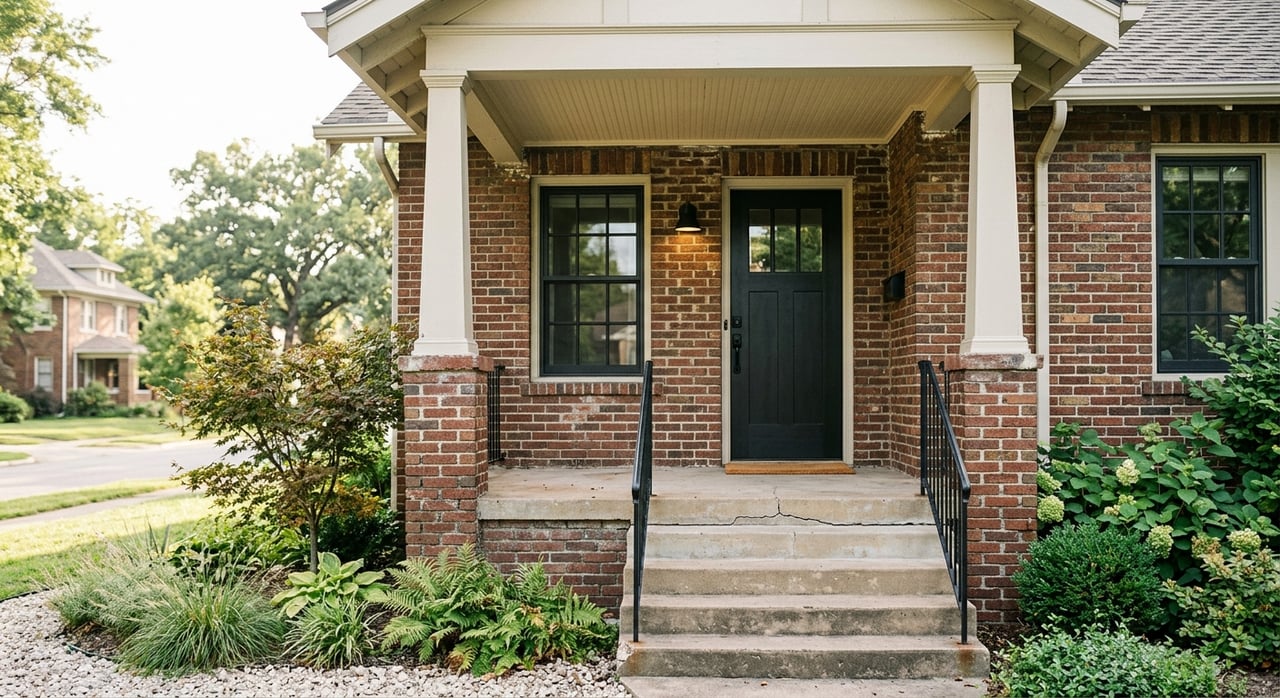
For you, this often means more compact layouts than you might find in newer builds. Hyde Park design standards describe homes that generally face the street, feature visible front doors and windows, and often include front porches, along with hipped or gabled roofs.
Character comes with tradeoffs
Many first-time buyers fall in love with Hyde Park because the homes feel personal and architectural details stand out. Porches, rooflines, and original features can create a sense of place that is hard to duplicate.
Still, character is not the same as turnkey convenience. Older homes may require more maintenance planning, and the floor plan may not match the open-concept layouts common in newer construction. If you are shopping here, it helps to decide early whether you value charm, location, and long-term potential more than brand-new finishes.
Historic district rules can affect your plans
If you are thinking ahead to renovations, Hyde Park requires careful address-by-address review. In the Local Historic District, the City of Austin states that designation does not require owners to restore a house to a historic appearance, and interior remodeling does not require review.
Exterior and site work are a different story. Most exterior changes must go through the Historic Preservation Office and, when needed, the Historic Landmark Commission before a permit can be issued. Additions and exterior changes must be compatible with the home’s massing, size, scale, and architectural features.
This matters if you are buying a home you plan to update over time. A house that seems like a great cosmetic opportunity may have more limits on windows, doors, roofing materials, additions, demolitions, or major site changes than you expect.
Not every Hyde Park home has the same restrictions
One of the most important details for a buyer is that restrictions are not uniform across every property. According to the Hyde Park Neighborhood Association, contributing structures are subject to exterior review rules, while non-contributing structures are not.
That means the exact address matters before you budget for a future renovation. Two similar-looking homes may have very different approval paths depending on whether they are contributing properties and where they sit within the neighborhood planning area.
What usually gets the most scrutiny
The local design standards place strong emphasis on preserving historic fabric and repairing original features where possible. They also focus on maintaining porch and roof character.
Review-sensitive items commonly include:
- Windows
- Doors
- Roofing materials
- Additions
- Demolitions
- Major site changes
One helpful note for buyers is that paint color is excluded from the standards. Even so, if your long-term vision includes major exterior changes, you will want clarity on review requirements before you close.
Due diligence should start early
With older housing stock, inspections are especially important. The Consumer Financial Protection Bureau recommends scheduling a home inspection as soon as possible after choosing a home so there is time to identify and resolve issues.
It is also important to remember that a home inspection is different from an appraisal. Depending on your contract terms, inspection findings may open the door to repair negotiations or even allow you to walk away if the home does not meet expectations.
In Hyde Park, this timing can matter more than buyers expect. If a home needs significant repairs or if preservation-related questions arise, those issues can affect the closing timeline.
Lead-based paint belongs on your checklist
Because much of Hyde Park’s housing stock predates 1978, lead-based paint is an important part of due diligence. The EPA states that older homes are more likely to contain lead-based paint, and 24% of homes built from 1960 to 1978 still contain some.
For most pre-1978 housing, buyers have the right to disclosure plus a 10-day period to conduct a paint inspection or risk assessment. If you are considering a historic or older home, this is not a detail to gloss over.
Financing prep can make or break your offer
In a neighborhood where demand still shows up consistently, financing preparation matters. The Consumer Financial Protection Bureau notes that a preapproval letter is tentative rather than guaranteed, usually expires in 30 to 60 days, and is often required before a seller accepts an offer.
The same guidance recommends asking at least three lenders for preapproval. When handled within a short time frame, getting those letters should not have a major impact on your credit.
For a first-time buyer in Hyde Park, strong financing prep does more than help you write an offer. It also gives you room to move quickly when a property with the right condition, location, and review profile becomes available.
Expect a more deliberate closing timeline
Hyde Park purchases can involve more moving pieces than a new-build purchase. Once you are under contract, your lender must send the Closing Disclosure at least three business days before closing.
That standard timeline is straightforward, but older homes can introduce extra steps. Exterior-preservation questions, repair negotiations, or property-condition issues may require added coordination before the home is truly ready to close.
This does not mean every Hyde Park deal is difficult. It simply means first-time buyers should build in a little more patience and stay organized from offer to closing table.
How to buy smart in Hyde Park
A successful first purchase here usually comes down to preparation and clarity. Hyde Park can be a strong fit if you want Central Austin access and architectural character, but it rewards buyers who look closely at the property, not just the neighborhood name.
Keep these priorities in mind:
- Get preapproved before you shop seriously
- Compare the exact location and planning rules for each address
- Review whether the home is a contributing or non-contributing structure
- Schedule inspections early
- Include lead-paint due diligence when the home predates 1978
- Ask practical questions about future exterior improvements before you buy
If you approach Hyde Park with realistic expectations, you can make a more confident decision. The neighborhood offers a compelling mix of location, history, and personality, but the best first-time purchases here happen when charm and logistics both get equal attention.
If you are considering Hyde Park or another Central Austin neighborhood, working with a local expert can help you compare property types, understand block-by-block differences, and move with confidence when the right home comes up. Connect with Lesley Taylor for thoughtful, high-touch guidance tailored to your goals.
FAQs
What makes Hyde Park appealing to first-time Central Austin homebuyers?
- Hyde Park offers a central location, historic character, and a housing mix that stands out from newer Austin neighborhoods, especially if you value older homes and established streetscapes.
What should first-time buyers know about Hyde Park historic district rules?
- In parts of Hyde Park, especially within the Local Historic District, many exterior and site changes require review, while interior remodeling generally does not.
What kinds of homes are common in Hyde Park Austin?
- Buyers will often find older homes such as bungalows, smaller frame houses, transitional homes, and some late-19th-century styles, rather than mostly newer open-concept construction.
Why do exact addresses matter when buying in Hyde Park?
- Rules and review requirements can vary by block and by whether a home is considered a contributing or non-contributing structure, so two nearby properties may come with different ownership considerations.
What inspections should first-time buyers consider for older Hyde Park homes?
- A general home inspection should happen early, and buyers of most pre-1978 homes should also consider lead-based paint due diligence during the allowed inspection period.
How competitive is the Hyde Park Austin housing market?
- Recent reporting shows mixed but active market conditions, with median days on market around 54 to 60 days and pricing that suggests buyers should be prepared and ready to act when the right home appears.