If you are selling a home in Rosedale, staging is not about making it look trendy. It is about helping buyers see the home’s character, condition, and potential the moment they walk in or scroll through photos online. In a Central Austin neighborhood known for cottages, bungalows, ranch homes, and 1930s and 1940s architecture, thoughtful presentation can help your home stand out for the right reasons. Let’s dive in.
Why staging matters in Rosedale
Rosedale has a distinct architectural identity. According to Preservation Austin, the neighborhood’s surviving housing stock includes Colonial and Tudor Revival homes, ranch houses, cottages, and bungalows, with much of it dating to the 1930s and 1940s. That means buyers are often responding to charm and original character as much as they are reacting to size and finishes.
That local context matters in today’s market. In May 2026, the City of Austin posted a median residential sale price of $595,000, 4.4 months of inventory, and a 95.2% average close-to-list ratio, according to Unlock MLS. In a market like that, strong presentation and polished pricing strategy can make a real difference in how buyers perceive value.
Lead with the home’s best spaces
Not every room needs the same level of staging. The 2025 Profile of Home Staging from NAR found that the living room is the most important room to stage, followed by the primary bedroom and the kitchen. Sellers’ agents most often staged the living room, primary bedroom, dining room, and kitchen.
For many Rosedale homes, that creates a smart order of operations. Focus first on the spaces where buyers are most likely to gather, relax, and imagine daily life. Once those rooms feel complete, you can decide whether smaller spaces need more attention.
Stage the living room first
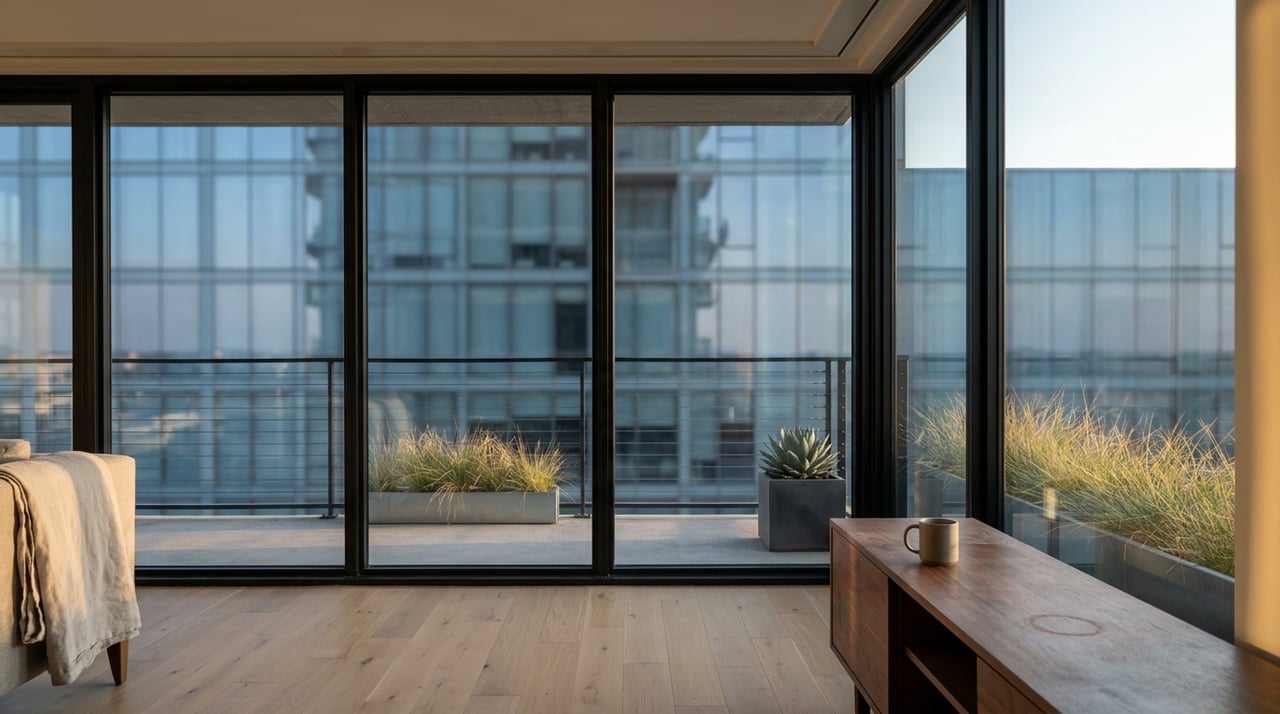
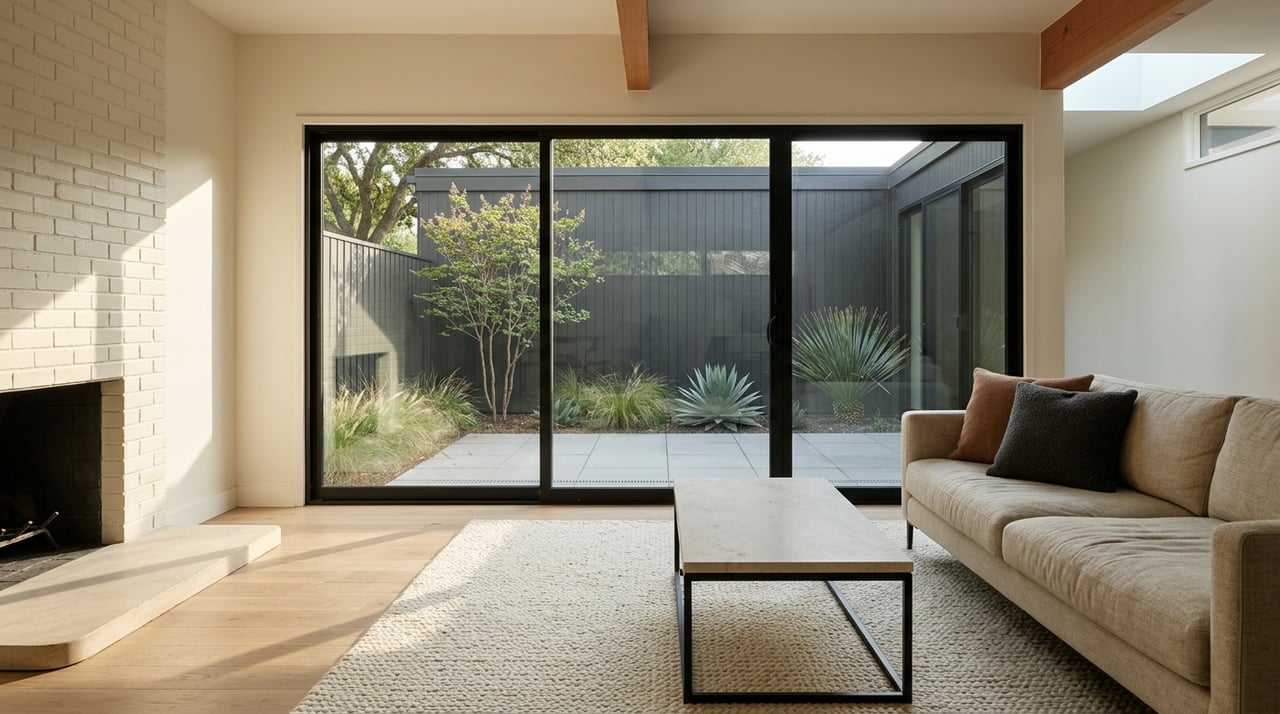
The living room often carries the emotional weight of the showing. In an older Rosedale home, it may also be where original windows, fireplace details, trim, or room proportions make the strongest first impression. Your goal is to make the room feel open, comfortable, and easy to understand.
Keep furniture scaled to the room so buyers can read the layout quickly. Avoid overfilling the space, especially in cottages and bungalows where square footage may be tighter. A clean seating arrangement, clear walkways, and a few simple accents usually work better than heavy styling.
Prioritize the primary bedroom
The primary bedroom should feel restful and uncluttered. Buyers do not need dramatic decor here. They need enough visual calm to imagine the room as a retreat.
Use neutral bedding, simplify surfaces, and remove excess furniture if the room feels crowded. If the home has older dimensions or a less expansive layout, this step can help the room feel more balanced and functional.
Finish the kitchen and dining areas
Kitchens and dining areas play a major role in how buyers judge move-in readiness. In Rosedale, some homes may have updated kitchens while others retain older layouts or more modest finishes. In either case, cleanliness and clarity matter more than over-accessorizing.
Clear counters, limit decor, and make sure lighting feels bright and even. If there is a dining area, define it simply so buyers can understand how the space lives day to day.
Keep secondary rooms simple
You do not have to stage every room heavily to make an impact. NAR’s 2025 survey found that guest bedrooms and children’s bedrooms were the least commonly staged rooms, at 22% each. That supports a more efficient approach for sellers who want to spend wisely.
For secondary bedrooms, home offices, and smaller flex spaces, focus on being clean, neutral, and purposeful. Remove excess storage bins, personal items, and bulky furniture. Buyers should be able to tell what the room is for without being distracted by clutter.
Declutter, clean, and repair before styling
Before you buy pillows or bring in art, handle the basics. NAR reported that the most common seller recommendations were decluttering the home, entire-home cleaning, and improving curb appeal. Sellers’ agents also frequently recommended minor repairs, paint touch-ups, landscape work, and professional photos.
For many Rosedale sellers, these are the highest-value prep steps. They are practical, defensible, and often more effective than larger cosmetic projects that may not match the home’s style or the buyer’s taste.
Start with decluttering
Decluttering is not about stripping the home of personality. It is about making the architecture easier to see. In a neighborhood where buyers may be drawn to original details, removing visual noise helps those features stand out.
Edit bookshelves, reduce countertop items, clear floor space, and organize closets. If a room feels one step too full, it probably is.
Clean every surface buyers notice
A whole-home cleaning should go beyond the obvious. Pay close attention to floors, windows, baseboards, kitchens, bathrooms, and light fixtures. Buyers tend to notice signs of deferred maintenance quickly, especially in older homes.
Cleanliness also improves photography. Since online impressions often shape whether a buyer schedules a showing, a spotless home can support the entire marketing plan.
Make minor repairs and touch-ups
Small issues can create outsized doubt. Scuffed paint, loose hardware, sticky doors, aging caulk, or an overgrown front path may seem minor, but they can make buyers wonder what else has been overlooked.
Touch-up paint, basic repairs, and simple exterior maintenance are often worthwhile before listing. The goal is not to erase the home’s age. It is to show that the property has been cared for.
Respect Rosedale’s architectural character
One of the biggest staging mistakes in an older neighborhood is trying to make every home look generic. Rosedale buyers may be drawn to original proportions, period details, and the overall feel of the house. Good staging supports those features instead of competing with them.
That means choosing a presentation style that feels calm, edited, and appropriate to the home. Let original windows, trim, built-ins, and room shapes stay visible. A respectful approach often feels more convincing than a heavily themed or overly modern one.
Avoid over-renovated presentation
In Rosedale, well-kept often reads better than overdone. If the home is competing with newer or more updated inventory, staging can help by highlighting warmth, livability, and authenticity. Buyers do not need every room to feel brand new if the home feels clean, coherent, and cared for.
That is especially true for cottages, bungalows, and ranch homes where simplicity supports the architecture. Clean lines, good light, and easy flow usually outperform excess decor.
Do not overlook curb appeal
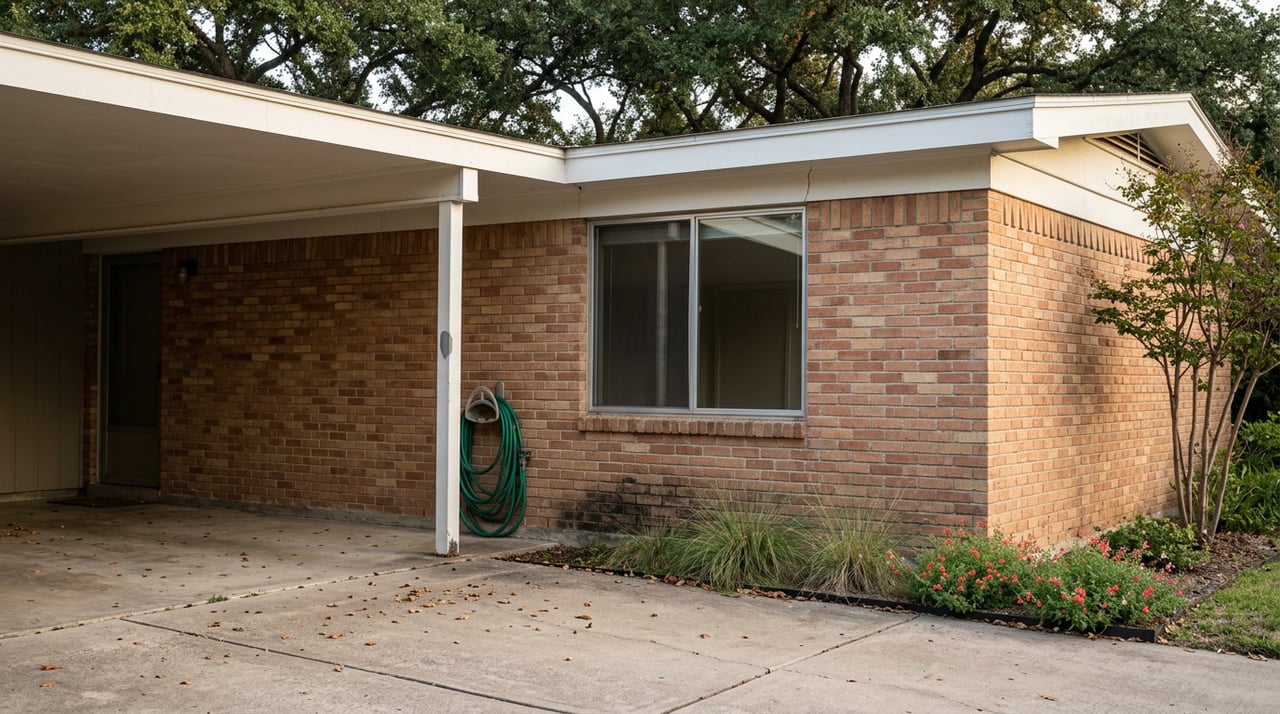
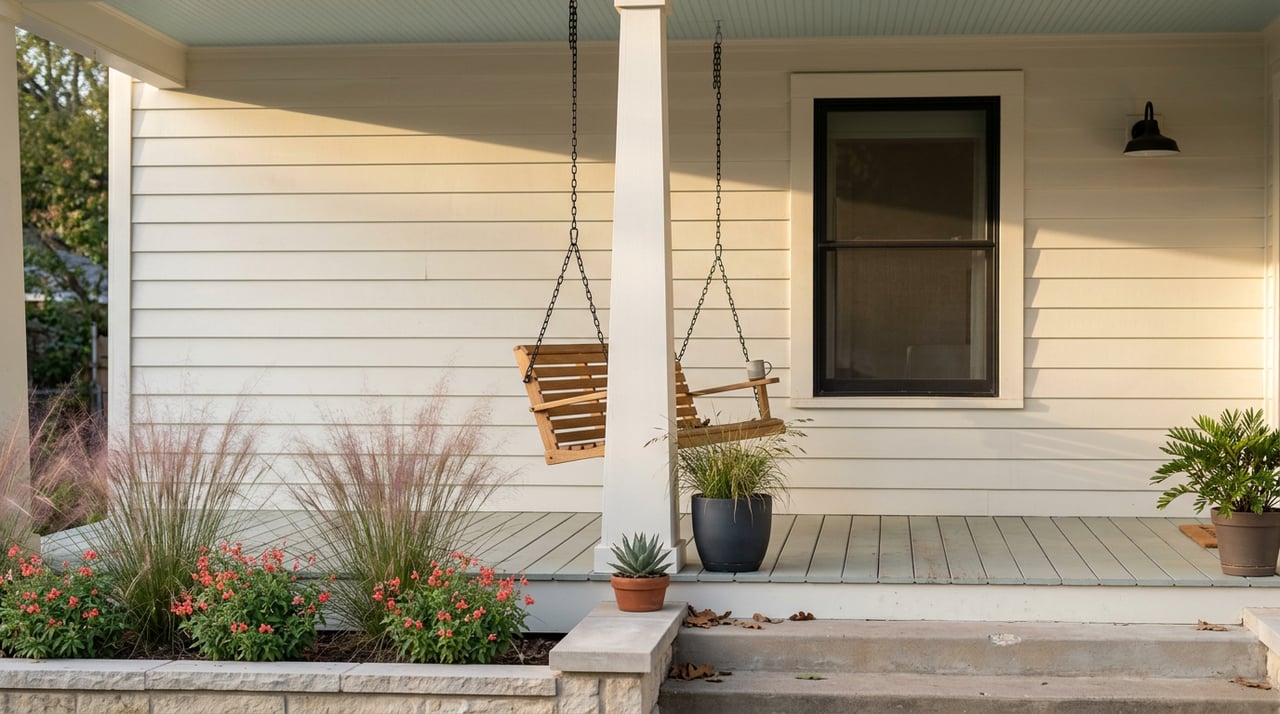
First impressions start before the front door opens. NAR found that 77% of sellers’ agents recommended improving curb appeal, and 31% said they staged outdoor or yard space. That makes exterior presentation one of the most important parts of your prep plan.
For a Rosedale home, curb appeal does not need to feel elaborate. It should feel tidy, visible, and welcoming from the street.
Focus on the basics outside
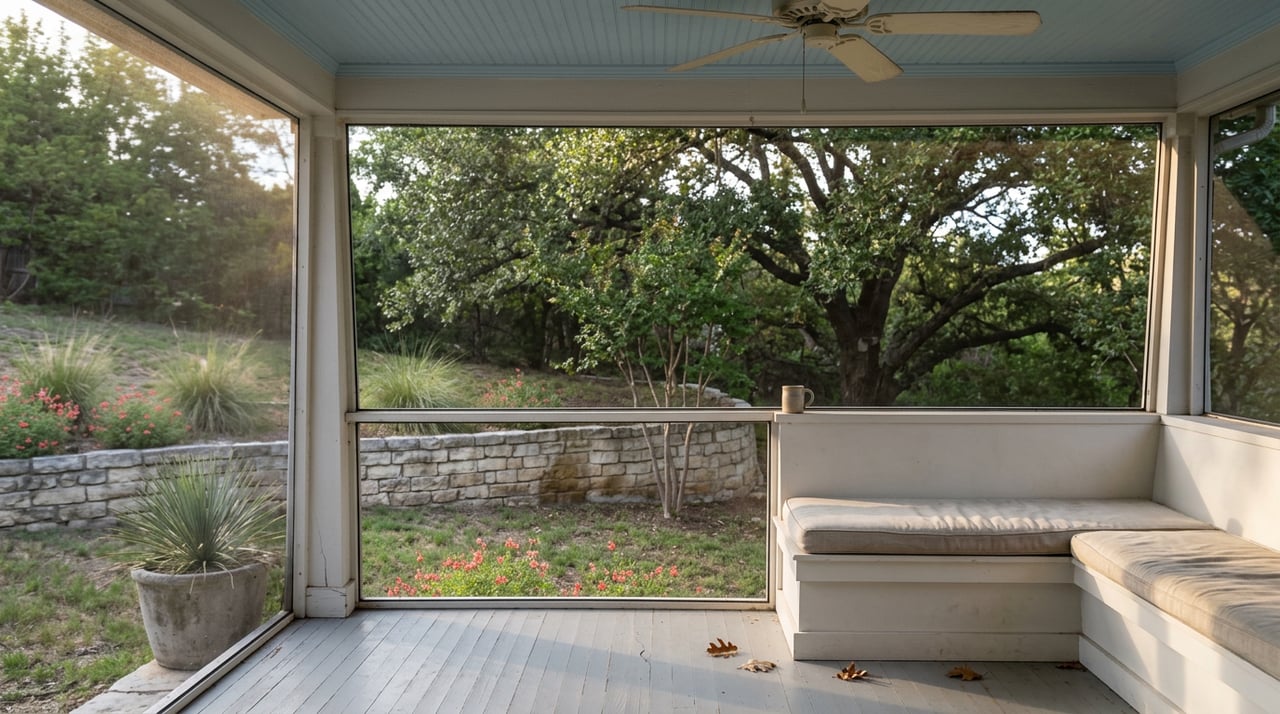
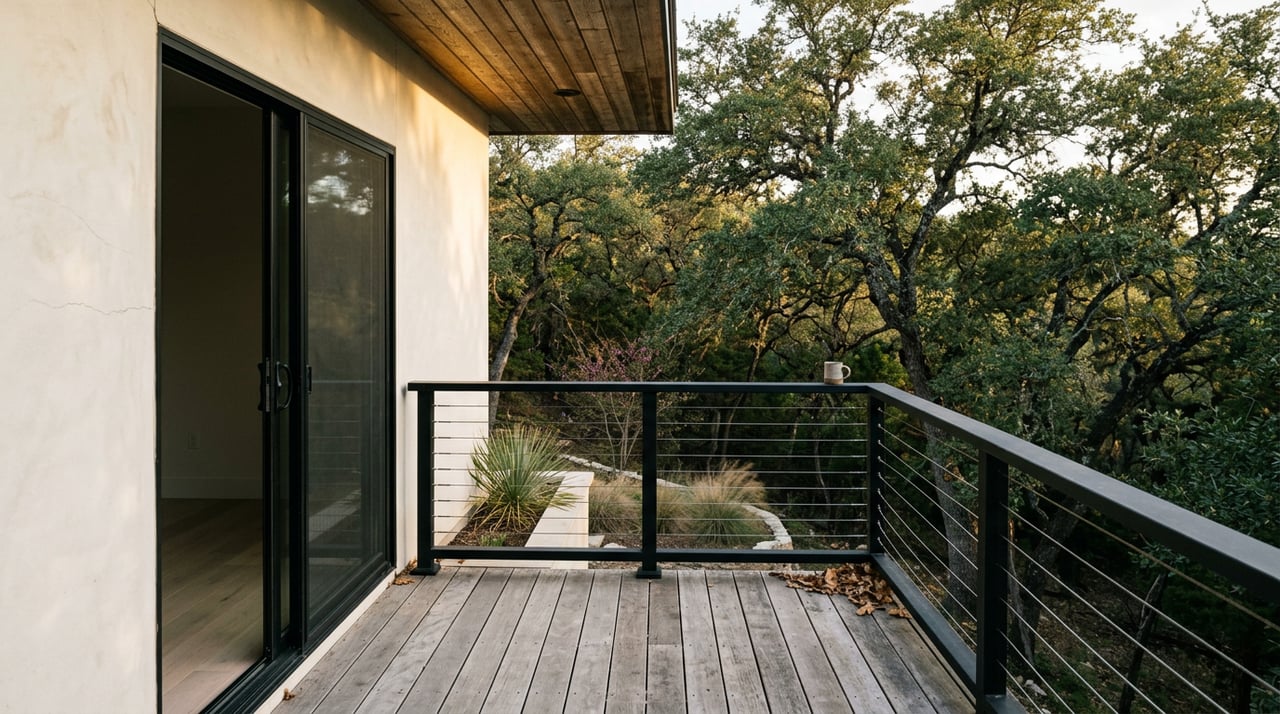
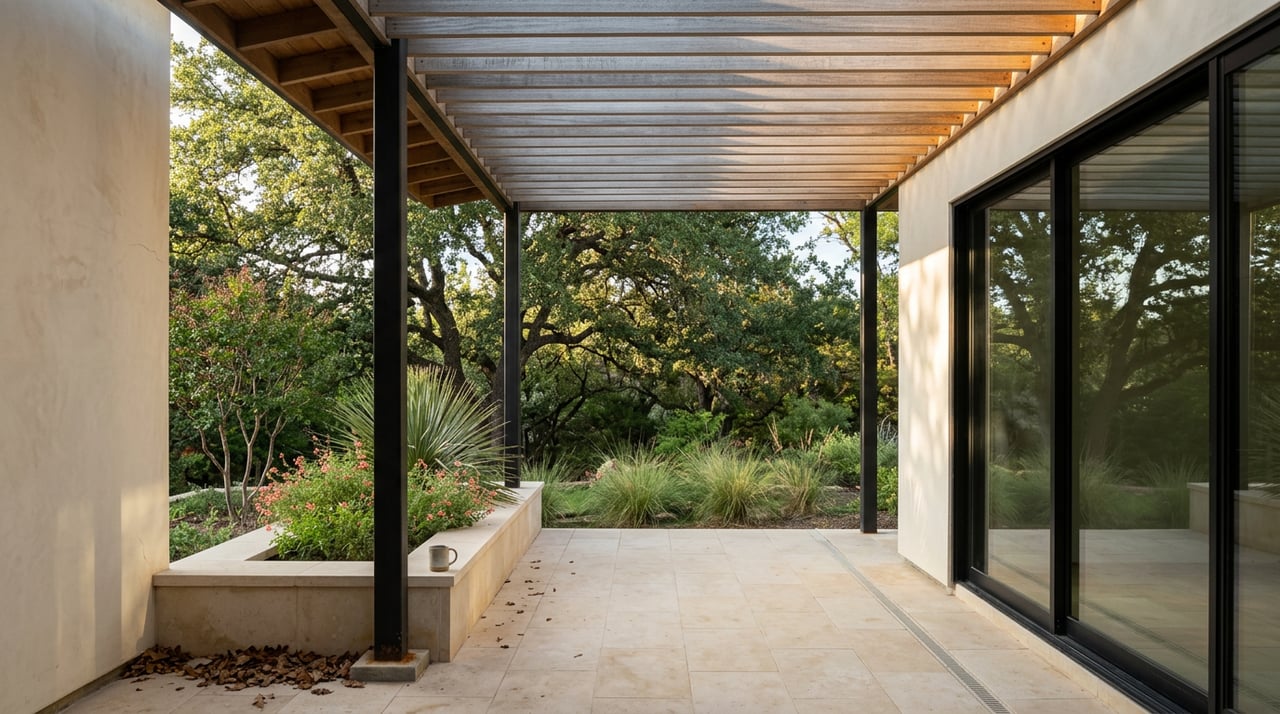
Trim landscaping, clear walkways, remove yard clutter, and make sure the entry reads clean and maintained. If there is a porch or patio, keep furnishings minimal and functional. Buyers should notice the home itself, not distractions around it.
In a neighborhood with mature homes and varied architecture, exterior presentation works best when it feels natural to the property. The aim is a cared-for look, not a forced transformation.
Finish staging before photos
Staging and photography should work together, not happen in separate phases. In NAR’s 2025 report, 88% of sellers’ agents said photos were much more or more important to clients, while 73% of buyers’ agents also rated photos as highly important. That makes listing photography one of the most influential parts of your launch.
Because of that, your home should be fully cleaned, repaired, decluttered, and staged before the photographer arrives. If the home is not ready on photo day, buyers will still form opinions from what they see online.
Plan for camera-readiness
Photos tend to amplify both strengths and weaknesses. A room that feels only slightly busy in person can look crowded in pictures. A dark corner, unmatched decor, or visible surface clutter can become much more noticeable once it is framed online.
This is where a full-service marketing approach matters. When staging, photography, and launch timing are coordinated, your home enters the market with a more polished first impression.
Is it worth delaying your listing to stage?
Sometimes, yes. Based on the current Austin market and the staging data, a short pre-listing prep window can be worth it when your home needs decluttering, touch-up paint, minor repairs, or exterior cleanup. If those steps help the home show better online and in person, they may support a stronger result.
That said, not every seller has the same priorities. If your home is already clean, repaired, and camera-ready, listing sooner may make sense, especially if speed matters. The right answer depends on your starting condition and your goals.
Check historic status before exterior changes
If your Rosedale property is an individually designated historic landmark, be careful with exterior pre-listing work. The City of Austin states that historic landmarks must meet age, integrity, and significance criteria, and that exterior site and building changes require historic review and approval, except for routine maintenance and in-kind repairs.
That means you should confirm historic status before making exterior updates that go beyond standard maintenance. For many sellers, this is simply a reminder to plan early and avoid last-minute surprises.
A smart staging strategy for Rosedale
The best staging strategy for Rosedale is usually not the flashiest one. It is the one that helps buyers see the home clearly, appreciate its character, and feel confident about its condition. In many cases, that means decluttering, deep cleaning, minor repairs, curb appeal work, targeted staging in the main rooms, and professional photography timed to launch.
If you want a tailored plan for your Rosedale home, working with a hands-on agent can help you focus on the updates that support presentation without wasting time or budget. To talk through timing, staging, and a polished go-to-market strategy, connect with Lesley Taylor.
FAQs
What rooms matter most when staging a Rosedale home for sale?
- The living room matters most, followed by the primary bedroom and kitchen, based on NAR’s 2025 home staging findings.
Is staging every room necessary for a home sale in Rosedale?
- No. Secondary bedrooms and smaller spaces can often stay clean, neutral, and lightly styled once the main living spaces are fully prepared.
What are the most important low-cost staging steps for Rosedale sellers?
- Decluttering, whole-home cleaning, curb appeal improvements, minor repairs, paint touch-ups, and professional photography are the most defensible early priorities.
Should you stage a Rosedale home before listing photos?
- Yes. Staging should be complete before photos are taken because online images play a major role in shaping buyer interest.
How does Rosedale’s architecture affect staging decisions?
- Because many Rosedale homes have historic character and original design elements, staging should highlight those features instead of covering them up with overly trendy decor.
Do historic landmark rules affect pre-sale exterior work in Rosedale?
- Yes. If a property is an individually designated historic landmark, exterior site or building changes may require City of Austin historic review and approval, except for routine maintenance and in-kind repairs.