Trying to narrow Rainey towers before you start touring? If you love the Rainey Street energy, lake access, and quick downtown commutes, the choices can feel overwhelming. You want the right floorplan, a clear sense of HOA fees, and an easy walk to dining and the trail. This guide shows you how to compare buildings by unit types, amenities, fees, and walkability so you can shortlist with confidence. Let’s dive in.
Quick snapshot: Rainey living at a glance
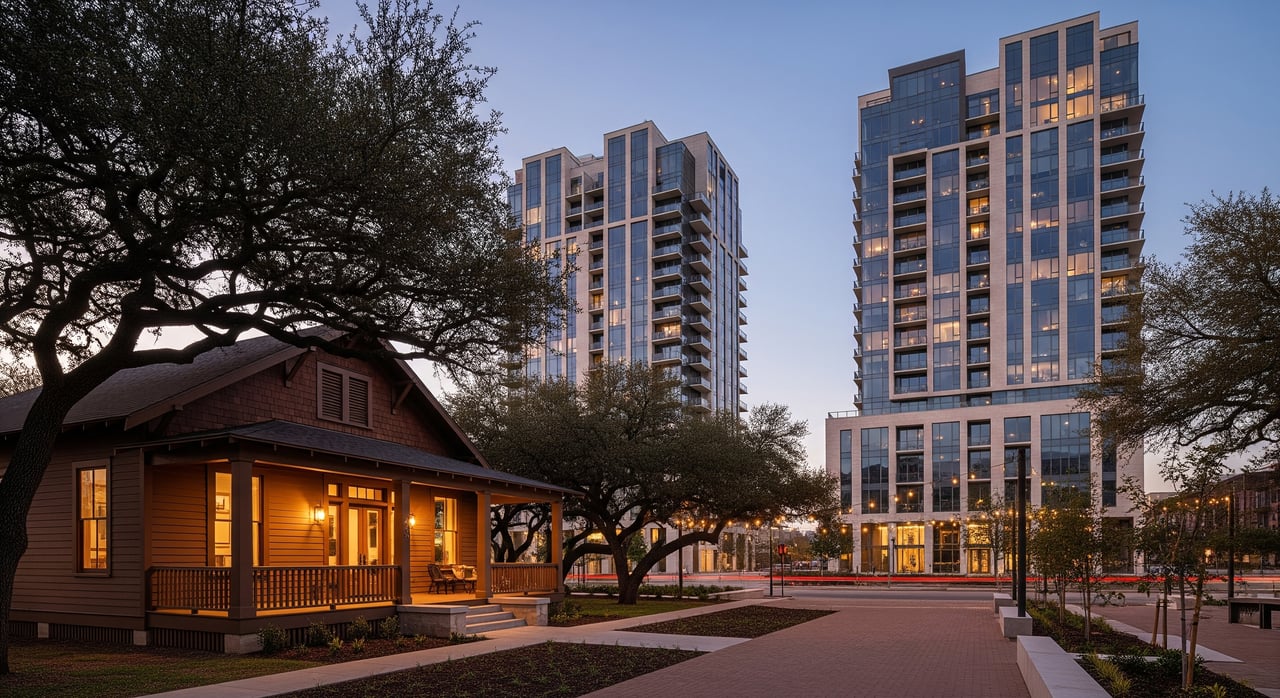
Rainey Street sits just southeast of downtown Austin and is known for historic bungalows converted to bars and restaurants, along with nearby mid-rise and a few high-rise residences. The area is very walkable, with quick access to dining, nightlife, and the Ann and Roy Butler Hike-and-Bike Trail along Lady Bird Lake. Micro-mobility options like scooters and bike share are common, and many addresses are a short ride to downtown venues and offices.
Here is a fast comparison of what to expect by building style:
| Building type | Typical unit mix | Expected HOA band | Amenities snapshot | Walk to trail/dining |
|---|---|---|---|---|
| Historic bungalow conversions or small condos | Mostly 1–2 bed layouts, compact living areas, occasional historic details | Lower, fewer shared spaces and services | Limited amenities, small courtyards or shared rooms | Very short walk to Rainey dining, often a short walk to the trail |
| Boutique mid-rises, about 4–12 stories | Studios to 2 beds, some 3 beds, many with balconies | Mid, reflects pool, fitness, shared utilities | Small pool, fitness room, resident lounge, rooftop terraces | A few blocks to dining and trail, easy everyday walk |
| Full-service or high-rise residences nearby | Wider range, including larger 2–3 beds and penthouses | Higher, supports concierge and larger operations | Larger gyms, pools, package rooms, business centers, structured parking | Short walk to dining and lake access, varies by block |
Always verify exact fees and services in the HOA documents for the specific building you are considering.
Floorplans: what you will find
- Historic conversions and small condos often focus on one- and two-bedroom plans with compact, open living spaces. Some units include porches or unique layouts due to the building’s original design.
- Boutique mid-rises tend to offer studios through two bedrooms, with occasional three-bedroom options. You will see open kitchens, an en-suite bedroom, and balconies in many plans.
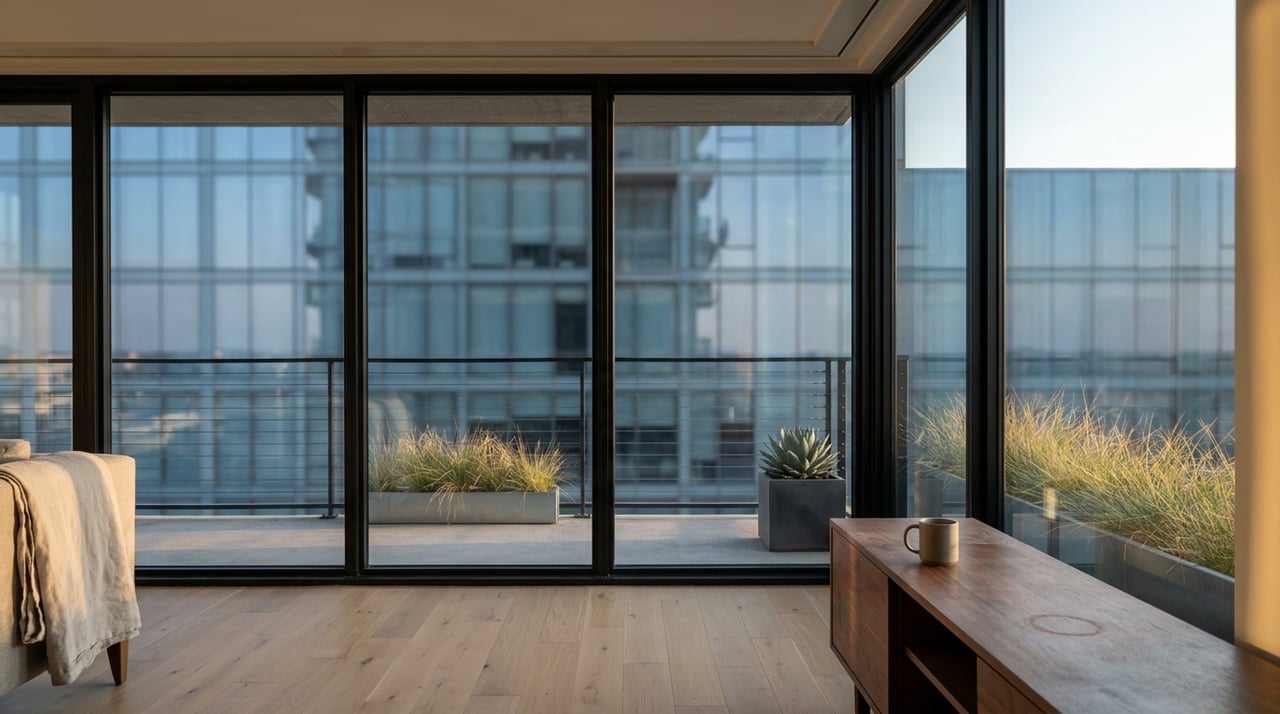
- High-rises usually provide the widest range, including larger two- and three-bedroom homes and penthouses. Expect floor-to-ceiling windows, more storage, and private terraces on upper floors.
To compare across buildings, look at usable square footage, bedroom and bathroom count, orientation, outdoor space, storage, and parking. Request each building’s official floorplan packet and confirm how square footage was measured.
HOA fees: how to estimate by building style
Monthly dues vary, but the drivers are consistent:
- Amenity level. Pools, fitness centers, concierge and doorman services add ongoing costs.
- Building age and upkeep. Older properties may have higher maintenance needs or special assessments.
- Reserves and insurance. Strong reserves and rising insurance premiums influence monthly dues.
- Size and formula. Some associations charge per square foot, others a flat fee per unit.
As a general guide, smaller or converted buildings tend to have lower dues, boutique mid-rises fall in the mid range, and full-service towers are typically higher. Always review the latest HOA budget, reserve study, insurance summary, and meeting minutes for upcoming capital projects or assessments.
Amenities: lifestyle and costs
- Small or converted buildings: limited amenities, often a small courtyard or common room, sometimes shared laundry. The lifestyle is lower-maintenance with fewer staff.
- Boutique mid-rises: social spaces like a small pool, fitness room, lounge, rooftop terrace, controlled access, and sometimes limited guest parking.
- Full-service towers: larger pool decks, full gyms, concierge, business centers, secure structured parking, package rooms, event spaces, and sometimes pet wash areas.
More amenities usually means higher HOA dues, so align your wish list with what you will actually use day to day.
Walkability and trail access
Rainey excels at everyday walkability. You are often just a few blocks from the dining and bar corridor. Lady Bird Lake’s Hike-and-Bike Trail is generally a short walk too, often about 3 to 10 minutes depending on the block and access point. For a fair comparison, check walk times to the nearest trail entry and to your favorite dining cluster. If you rely on transit or biking, note nearby routes and bike infrastructure when evaluating each address.
Noise and nightlife: what to expect
The energy that makes Rainey exciting can bring late-night noise, especially on event nights. Sound exposure varies by building and by unit:
- Units set higher above the street and those with strong window glazing usually experience less nightlife noise.
- Orientation matters. Residences facing interior courtyards or away from the entertainment corridor can feel quieter.
- Review HOA rules on quiet hours and noise policies to understand expectations and enforcement.
Plan to visit at different times, including a weekend evening, to experience the building and street activity firsthand.
Rentals and short-term rental rules
Short-term rentals in Austin require city registration and must comply with local rules. Many condo associations in the Rainey area have their own restrictions on rentals, including minimum lease terms or prohibiting STRs altogether. If you are an investor, verify the HOA’s rental rules, any caps, and the association’s enforcement record. Confirm city requirements and the building’s current registration status before making plans.
Parking, storage, and pets
- Parking. On-street parking near Rainey is busy, especially at night. Many buildings offer assigned or deeded spaces in a gated garage. Ask about guest parking, EV charging, and whether spaces are deeded or assigned.
- Storage. Small or older properties may have limited private storage. Mid- and high-rises often provide storage cages or lockers in the garage.
- Pets. Most associations allow pets with rules on size, number, and deposits. Review the HOA’s pet policy and any on-site pet amenities.
Your due diligence checklist
Before you buy, request the following for each building you are considering:
- HOA documents: CC&Rs, bylaws, rules and regulations, latest budget, reserve study, meeting minutes, and master insurance summary.
- Floorplans and measurements: official floorplan packet, verified square footage, and measurement method.
- Parking and storage: stall assignment and deeded status, storage unit details.
- Market and neighborhood: recent comparable sales, active rental rates if relevant, measured walk times to the trail and dining.
- Risk and regulations: FEMA flood zone review and elevation information, city short-term rental requirements, and any planned municipal projects nearby.
- Building condition: recent capital projects, history of special assessments, inspection records if available.
How to tour and compare efficiently
- Start with your must-haves. Rank floorplan needs, balcony or outdoor space, and storage. Add amenities you will truly use.
- Score each building. Rate HOA fit, amenity value, sound exposure, and walk times to both the trail and dining.
- Visit at multiple times. See the building on a weekday afternoon and a weekend evening to understand traffic, noise, and elevator flow.
- Confirm the documents early. Ask for HOA packets, budgets, reserve studies, and meeting minutes as soon as you are serious about a building.
Next steps
If you want lively walkability with lake access, Rainey offers strong options across small condo buildings, boutique mid-rises, and full-service towers. With the right comparison points, you can move from browsing to a clear shortlist in a single afternoon tour. When you are ready, I will help you gather the right documents, verify details, and target the best units for your lifestyle.
Ready to compare on-site and find your short list? Connect with Lesley Taylor for curated tours and expert guidance.
FAQs
Which Rainey buildings tend to have lower HOA fees?
- Smaller historic conversions and limited-amenity buildings often have lower dues, but you should confirm by reviewing each HOA’s current budget and fee schedule.
How close are Rainey towers to the Lady Bird Lake trail?
- Many addresses in and around Rainey are a short walk, often about 3 to 10 minutes depending on the exact block and entry point. Measure walk times from the building to the nearest official access.
Are short-term rentals allowed in Rainey condos?
- The City of Austin regulates STRs and requires registration, and many HOAs set additional restrictions or prohibit STRs. Verify both city rules and the association’s policy before you plan to rent.
How do I compare floorplans across different buildings?
- Focus on usable square footage, bed and bath count, unit orientation, balcony or outdoor space, storage, and parking. Request the building’s official floorplan packet and measurement method.
Will I need flood insurance near Lady Bird Lake?
- Proximity to the lake can place some properties within FEMA flood zones. Check FEMA maps, the property’s elevation, and the HOA’s master policy. Your lender can also clarify insurance requirements.