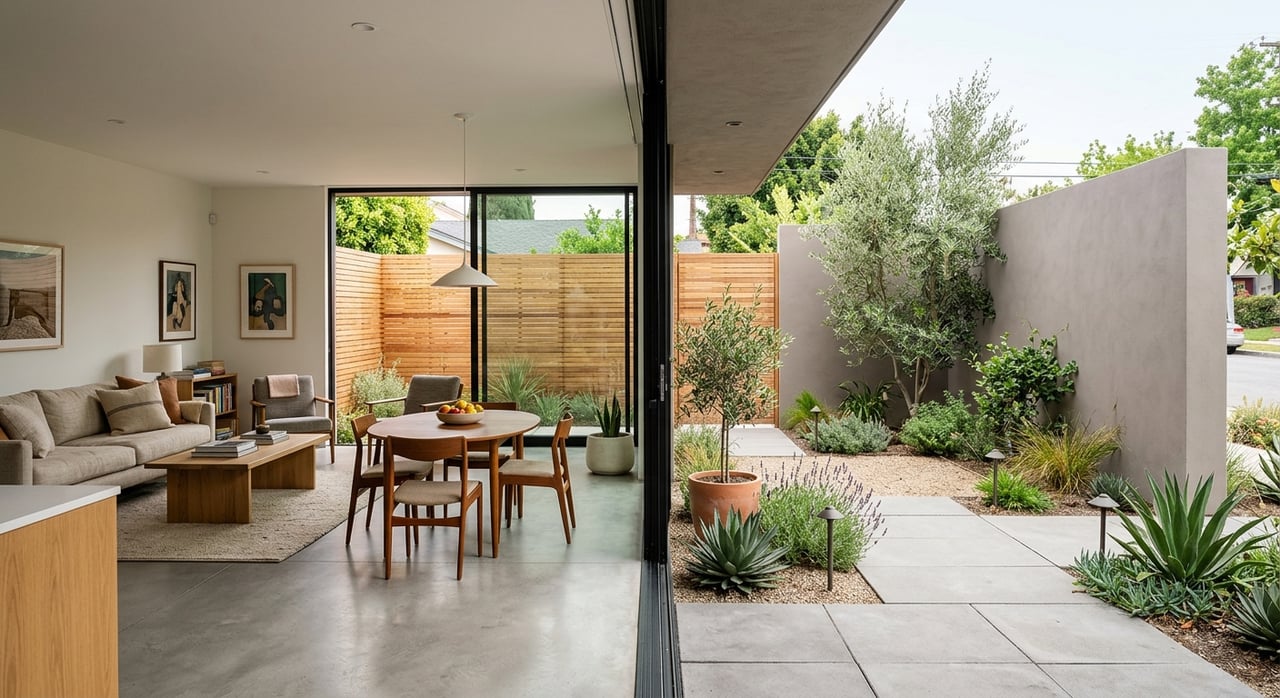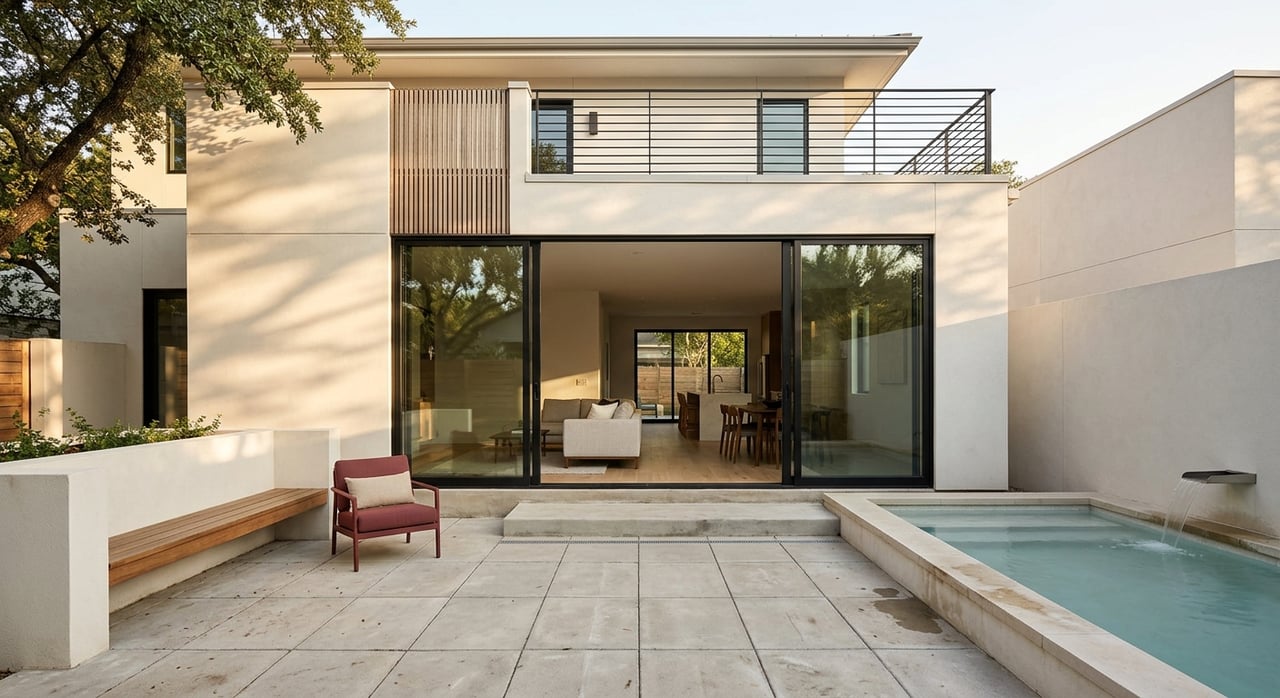
If you love the energy of Rainey Street but feel unsure which condo perks truly move the needle, you are not alone. In a neighborhood where towers compete on lifestyle, amenities can shape both your daily routine and your monthly budget. In this guide, you will learn which features matter most in Rainey, how they influence HOA dues and resale, and the smart questions to ask before you buy. Let’s dive in.
Rainey lifestyle essentials
Rainey sits on the eastern edge of downtown Austin with quick access to Lady Bird Lake, the Hike-and-Bike Trail, and downtown employers. Walkability, dining, and nightlife are major draws, so buildings often invest in amenities that support an active, low-maintenance lifestyle. This makes features like fitness centers, co-working lounges, and secure package handling especially valuable.
Urban tradeoffs are part of the picture. Nightlife can mean more noise, parking is at a premium, and lakeside proximity brings floodplain considerations. As you weigh amenities, factor in these location realities along with your budget and routine.
Amenity guide and tradeoffs
Lake access and water views
Proximity to Lady Bird Lake and the trail is a core Rainey advantage. Access itself does not always increase dues unless the building maintains docks, boat storage, or shoreline landscaping. Lake and skyline views tend to command premiums on resale, but they do not automatically raise monthly dues.
Buyer tips:
- Confirm whether any waterfront features are private or public and who maintains them.
- Review floodplain maps and insurance needs if the tower sits closest to the lake.
Pools and outdoor lounges
Rooftop or resort-style pools create instant lifestyle appeal. They also require ongoing maintenance, insurance, and seasonal repairs that feed both operating costs and reserve planning. Well-run pools can be worth it if you will use them often.
Buyer tips:
- Ask about pool hours, seasonal closures, guest limits, and repair history in HOA minutes.
- Review reserve studies for upcoming resurfacing or equipment replacements.
Fitness and wellness spaces
On-site gyms, yoga rooms, and saunas support daily use and can reduce outside memberships. Costs center on equipment replacement cycles, cleaning, HVAC loads, and any staff or trainer arrangements.
Buyer tips:
- Check equipment age, service contracts, and the replacement plan in the reserve study.
- Visit at peak hours to gauge crowding and cleanliness.
Co-working lounges and meeting rooms
Work-from-home demand makes shared workspaces a practical perk. These rooms need furniture refreshes, IT upgrades, and regular cleaning, but usually cost less to operate than pools.
Buyer tips:
- Review reservation rules, guest policies, and noise enforcement.
- Ask if private rooms have fees or time limits.
Concierge, valet, and front desk
A staffed lobby with package handling and valet adds real convenience. It is also one of the largest drivers of higher dues because personnel costs recur every month. Service hours and staffing levels matter for both lifestyle and budget.
Buyer tips:
- Confirm service hours and whether staffing has changed in past budgets.
- Review payroll, benefits, and contractor terms in association records when available.
Parking and EV infrastructure
Assigned or deeded garage parking is a top need for many Rainey buyers. Garages require lighting, security, and sometimes ventilation systems. EV charging adds installation and maintenance considerations, and policies vary by building.
Buyer tips:
- Ask if spaces are deeded, assigned, or leased and whether guest parking exists.
- Review policies and costs for installing or using EV chargers.
Pet facilities
Dog runs and pet wash stations support city living and can minimize wear on shared areas. Operating costs are modest, though enforcement and upkeep still matter.
Buyer tips:
- Confirm pet rules, deposits, and designated relief areas.
- Check how the building handles cleanup and enforcement.
Security and smart tech
Key-fob systems, cameras, visitor management, and building apps enhance access control. These features carry equipment, software, and monitoring costs, plus periodic upgrades for cybersecurity.
Buyer tips:
- Ask about data privacy, software subscriptions, and replacement schedules.
- Confirm compatibility with unit-level smart devices.
Rooftops and event spaces
Rooftop decks, grills, terraces, and reservable rooms add lifestyle flexibility. They require furniture refreshes, landscaping, and event insurance. In a nightlife area, noise policies and guest limits are important.
Buyer tips:
- Review reservation procedures, capacity limits, and quiet hours.
- Check for upcoming repairs to decking, furniture, or irrigation.
Storage, bike rooms, and moving access
Storage lockers, bike rooms, and a reliable freight elevator are essential city conveniences. These spaces do not usually drive large costs, but security and access control still matter.
Buyer tips:
- Confirm whether storage is deeded or rented and what fees apply.
- Ask about bike room security and access.
HOA dues and building finances
Monthly condo fees cover operations such as staff, utilities for common areas, cleaning, landscaping, insurance, and management. Associations also fund reserves for big-ticket items like pools, garages, elevators, roofs, and mechanical systems. Amenities shape both buckets, especially when staffing or complex systems are involved.
- Staffed services are often the biggest recurring cost. A 24-hour concierge or valet increases payroll and can materially raise dues.
- Capital-heavy amenities require strong reserves. Pools, garages, rooftops, and elevators have planned life cycles. Underfunded reserves can lead to special assessments when replacements come due.
- Risk factors include deferred maintenance, water intrusion, elevator repairs, litigation, and insurance changes. Amenity-rich buildings without strong reserves face higher assessment risk.
What to review in HOA documents:
- Current operating budget and year-to-date financials
- Most recent reserve study and funded percentage
- Board meeting minutes from the last 6 to 12 months
- Special assessment history and any approved upcoming projects
- Insurance summary, master policy coverage, and deductibles
- Declaration, bylaws, house rules, and any rental or pet restrictions
- Management contract and staffing roster if services are on site
Resale value in Rainey
Well-maintained, usable amenities that match buyer lifestyle can increase marketability and help homes sell faster. Lake and skyline views, plus immediate trail access, often support higher prices relative to non-view units. Turnkey features like concierge and secure package handling can attract buyers who value convenience.
On the flip side, high dues that do not match perceived value can shrink your buyer pool. Underused or oversized amenities add cost without demand. Rental policies also influence investor interest, and short-term rental rules in Austin continue to evolve, so verify building and city restrictions before you buy.
Tour checklist for Rainey condos
Use this quick list to stay focused:
- Ask exactly what dues cover, including utilities, internet, concierge, parking, trash, and cable.
- Confirm parking details: deeded vs assigned, guest availability, and EV charging policies and costs.
- Review reserve funding levels, the date of the last reserve study, and upcoming replacements.
- Ask about special assessments, recent or planned.
- Verify management quality and contract status for front desk, valet, or third-party management.
- Check amenity hours, reservation systems, and enforcement of noise rules.
- Confirm pet rules, deposits, and relief areas.
- Ask how the building handles noise or nuisance issues related to nearby nightlife.
- Ask about any history of water intrusion, mold, structural repairs, or elevator issues.
- Verify whether the unit lies in a FEMA flood zone and discuss typical insurance needs.
- Identify nearby construction or zoning changes that could affect views or privacy.
Compare buildings like a pro
- Prioritize daily-use amenities. Put gyms, parking, pet spaces, and co-working ahead of occasional-use areas like large event rooms.
- Compare net monthly costs. A building with higher dues but more included utilities or services can be cheaper overall.
- Inspect amenity condition in person. Do not rely only on marketing photos.
- Talk to residents if possible. Ask about management responsiveness and rule enforcement.
Ready to find the right fit?
If you want a Rainey condo that enhances your daily life without surprises on dues, bring a clear plan and the right advocate. I help you match amenities to your lifestyle, review the financials behind the scenes, and position you for a smart purchase in this fast-moving pocket of downtown Austin. Ready to tour with focus and confidence? Let’s Connect with Lesley Taylor.
FAQs
Which Rainey condo amenities raise HOA dues the most?
- Staffed services like 24-hour concierge and valet typically drive the highest ongoing costs, followed by capital-heavy features such as pools, garages, rooftops, and elevators that require strong reserves.
Are lake and skyline views worth paying more in Rainey?
- Views and immediate access to Lady Bird Lake and the trail often support resale premiums, but they do not automatically increase monthly dues unless the building maintains waterfront features.
How should I evaluate a building’s pool and fitness areas?
- Review reserve studies for equipment and surface replacement timelines, check HOA minutes for repair history, and visit at peak times to assess cleanliness and crowding.
What should I know about parking and EV charging in Rainey towers?
- Confirm whether parking is deeded, assigned, or leased, ask about guest parking, and review building policies and costs for installing or using EV chargers.
How do I assess flood risk near Lady Bird Lake?
- Check FEMA and local floodplain maps for the specific property, then discuss insurance needs and typical costs since lakeside proximity can influence coverage.
Which documents should I request before making an offer on a Rainey condo?
- Ask for the current operating budget, YTD financials, most recent reserve study, meeting minutes, assessment history, insurance summary, building rules, and any management or staffing details.