Thinking about buying in Rosedale with room to add an ADU for guests, a home office, or future rental income? You are not alone. In this central Austin neighborhood, ADU potential can be a smart way to add flexibility and long-term value. In this guide, you will learn how to check zoning and overlays, spot common site constraints, and run a clear due diligence process before you close. Let’s dive in.
Why ADU potential matters in Rosedale
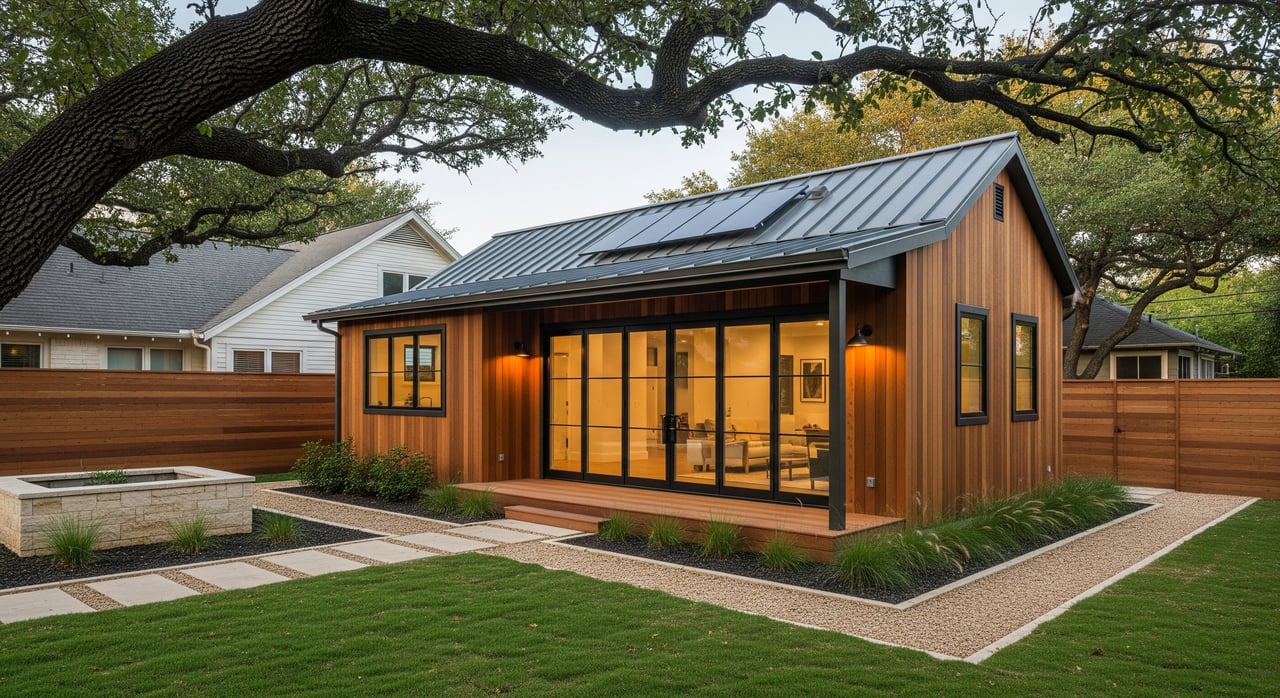
Rosedale’s central location and mix of older homes make it appealing for buyers who want space to expand or add a second unit. Some lots can support a detached ADU, while others are better suited to an attached addition or a garage conversion. Since every parcel is different, the key is to verify feasibility for the specific property you are considering.
ADUs can support long-term family use or long-term rental. If you plan to pursue short-term rental, Austin’s rules include licensing and location requirements. Always confirm current guidelines on official City of Austin pages before you buy.
Start with the rules
Begin with official sources. For any Rosedale property, confirm ADU eligibility and permit steps with the City of Austin’s Development Services and Land Development Code. Use Austin’s zoning maps and GIS tools to check base zoning and any overlays that add design review. Verify lot size and dimensions through TCAD and an up-to-date survey. If you plan to rent, review the City’s short-term rental program requirements.
Because local code updates and administrative rules change, rely on City of Austin pages and direct conversations with a planner rather than third-party summaries.
Parcel traits to check in Rosedale
Rosedale is an established urban neighborhood, which means parcels vary. You might see:
- Lots that range from narrow urban footprints to larger properties with more rear yard.
- Blocks with or without alleys. Rear alley access can be a major advantage for a detached ADU.
- Mature trees and older utilities that influence siting and cost.
- Occasional historic or conservation overlays that add review steps.
Do not assume any given lot can host a detached ADU. Confirm the details for the specific address.
The big siting constraints
Zoning and overlays
Your first checkpoint is base zoning and overlays. Confirm whether the zoning district allows an ADU and whether any overlay adds massing, exterior, or design review requirements. Historic or conservation overlays can affect both design and timeline.
Lot size and layout
Lot area and width matter. Some parcels can accommodate a second structure within setbacks and coverage limits, while others are too constrained. Use TCAD data and a current survey to verify dimensions early.
Setbacks, height, and coverage
Detached and attached ADUs must fit within setbacks and height limits. Impervious cover and lot coverage caps also apply. These rules determine whether a second structure fits and how large it can be.
Alleys and access
Rear alley access can simplify driveway placement, service access, and parking for an ADU. If a lot lacks an alley, review how a driveway or curb cut would work at the street and whether on-site parking can be maintained or replaced as required.
Easements and utilities
Recorded utility or drainage easements often run along rear or side lot lines. Structures cannot be placed inside many easements. Locate water, sewer, and electrical service points. Sewer laterals and tap locations can influence ADU siting and cost.
Trees and protection
Mature trees are common in Rosedale. Protected trees and their root zones can limit where foundations, driveways, and utilities can go. Plan for an arborist review and a tree survey as part of feasibility.
Floodplain and drainage
Check FEMA maps and City floodplain data. Portions of a backyard may lie within floodplain or regulated drainage areas. Sleeping units in flood-prone zones may require elevation or can be restricted.
Parking and rentals
Parking requirements and driveway rules can affect where an ADU sits. For rental use, confirm long-term and short-term rules with the City. Short-term rental eligibility depends on licensing and zoning, and it may not be allowed for every property.
Step-by-step due diligence
Quick parcel scan
- Pull parcel data from TCAD and Austin GIS to confirm lot area, shape, and improvements.
- Check base zoning and any overlays on the City’s zoning map.
- Use aerials and plats to identify alleys, curb cuts, and rear access.
- Screen for FEMA floodplain or mapped drainageways.
Title and survey
- Have title review recorded easements, rights-of-way, and deed restrictions.
- Order a current boundary and topographic survey showing easements, structures, trees, and elevations.
Talk to the city
- Schedule a pre-application check with City of Austin Development Services.
- Ask a planner to confirm if an ADU is allowed in principle and which setbacks, height, coverage, and review processes apply.
Technical checks on site
- Locate water, sewer, and electric service. Note tap locations and meter needs.
- Commission a tree survey and consult an arborist about protection zones.
- Evaluate parking and access. Confirm whether any displaced parking must be replaced on site.
Run costs and timeline
- Engage an architect or experienced ADU designer for a conceptual siting study.
- Get a contractor’s cost range based on scope, utilities, and site work.
- If grading or drainage looks complex, consult a civil or structural engineer.
Financing and taxes
- Talk to your lender about construction or renovation loan options and how an ADU plan may affect appraisal.
- If you plan to do short-term rental, confirm City registration and operational requirements.
- Expect property tax reassessment after construction and discuss impacts with TCAD or your tax professional.
Decide before closing
- Use survey findings and planner feedback to judge feasibility.
- Consider an ADU feasibility contingency in your contract so you can exit or renegotiate if a major constraint appears.
- Reserve budget and time for potential surprises such as utility relocation or tree mitigation.
Who to bring on your team
City planners
- Ask about ADU eligibility, overlays, setback and height rules, and any stormwater requirements.
Surveyor
- Request a current boundary and topo survey that maps easements and elevations. Confirm any recorded encumbrances that limit building area.
Architect or designer
- Seek Austin ADU experience. Ask which ADU type and size fits your lot and what design review may be required.
Engineer
- On sloped or drainage-sensitive sites, ask about grading, retaining, or elevated foundation needs.
Arborist
- Identify protected trees, root zones, and siting strategies that minimize removals.
Contractor
- Request a preliminary cost range and schedule, plus common surprises in central Austin yards.
Title company or attorney
- Confirm deed restrictions or covenants that affect secondary dwellings or rental use.
Lender
- Review financing paths for purchase plus construction, and how an ADU plan may influence qualification.
Insurance agent
- Ask about coverage changes for an ADU, rental uses, and any policy adjustments you will need.
Neighborhood association or HOA
- Check whether covenants or informal guidance could affect design, rental use, or timeline.
Use cases, costs, and resale
Best uses
The simplest path is often a long-term rental or family use such as a guest suite or office. Short-term rental can add licensing steps and neighborhood rules. Verify current City policies before you underwrite income.
Timeline
Plan for phases: feasibility, design, permitting, and construction. Reviews tied to overlays or historic districts can add weeks or months. Build in buffers for plan review and inspections.
Resale benefits
A well-permitted ADU can broaden your resale appeal. Buyers value flexible square footage and the option for additional income or multigenerational living. Avoid unpermitted work, which can complicate financing and create liability.
Make your offer ADU-smart
If ADU potential is central to your decision, craft your offer and option period to protect your goals. Include a feasibility contingency, order a rush survey, and schedule a planner check right away. This sequence gives you the facts you need before you commit to closing.
Ready to evaluate ADU potential on a specific Rosedale home? Tap into local expertise, a vetted professional network, and proactive due diligence. Connect with Lesley Taylor to review your shortlist and map a clean path from offer to ADU-ready.
FAQs
Are detached ADUs allowed in Rosedale?
- It depends on the property’s zoning and any overlays. Confirm eligibility for the specific parcel with the City of Austin’s Development Services and zoning maps.
How important is alley access for an ADU in Rosedale?
- Rear alleys often make detached ADUs easier by simplifying vehicle access, parking, and service connections; lack of an alley can constrain siting and driveway options.
Will protected trees prevent an ADU on my lot?
- Possibly. Tree protection zones can limit foundation and driveway locations; a current survey and an arborist review are essential to plan around mature trees.
Can I use a Rosedale ADU for short-term rental?
- Austin has specific licensing and location rules for short-term rentals; verify current eligibility and requirements with the City before assuming STR income.
How do easements affect where I can place an ADU?
- Structures are typically not allowed within utility or drainage easements, so title review and a survey should map these areas before you pick a building footprint.
Should my purchase contract include an ADU feasibility contingency?
- Yes. If an ADU is a key objective, include a contingency so you can complete a survey, planner review, and cost check during your option period before you proceed.