Buying your first condo in Downtown Austin can feel exciting and a little overwhelming. You want the walkable lifestyle and skyline views, but you also want to avoid surprises with HOAs, parking, and building rules. In this guide, you’ll learn how downtown buildings work, what to review in HOA documents, how to compare new towers vs. resales, and the timeline from preapproval to closing. Let’s dive in.
What we mean by Downtown Austin
For this guide, Downtown Austin refers to the Central Business District and the Rainey Street District near Lady Bird Lake. This is the city’s highest density core with high‑rise and mid‑rise residential, offices, retail, dining, and entertainment. Exact boundaries can vary by source, so focus your search by building and block, not just a neighborhood label. Downtown living offers great proximity and energy, but you should weigh noise, event traffic, and higher HOA and parking costs.
Downtown tradeoffs to expect
- Proximity to work, restaurants, trails, and nightlife.
- Smaller floorplans and premium pricing for views and amenities.
- Higher HOA dues in full‑service towers.
- Event and construction activity that can affect daily routines.
Building types and lifestyle
High‑rise towers
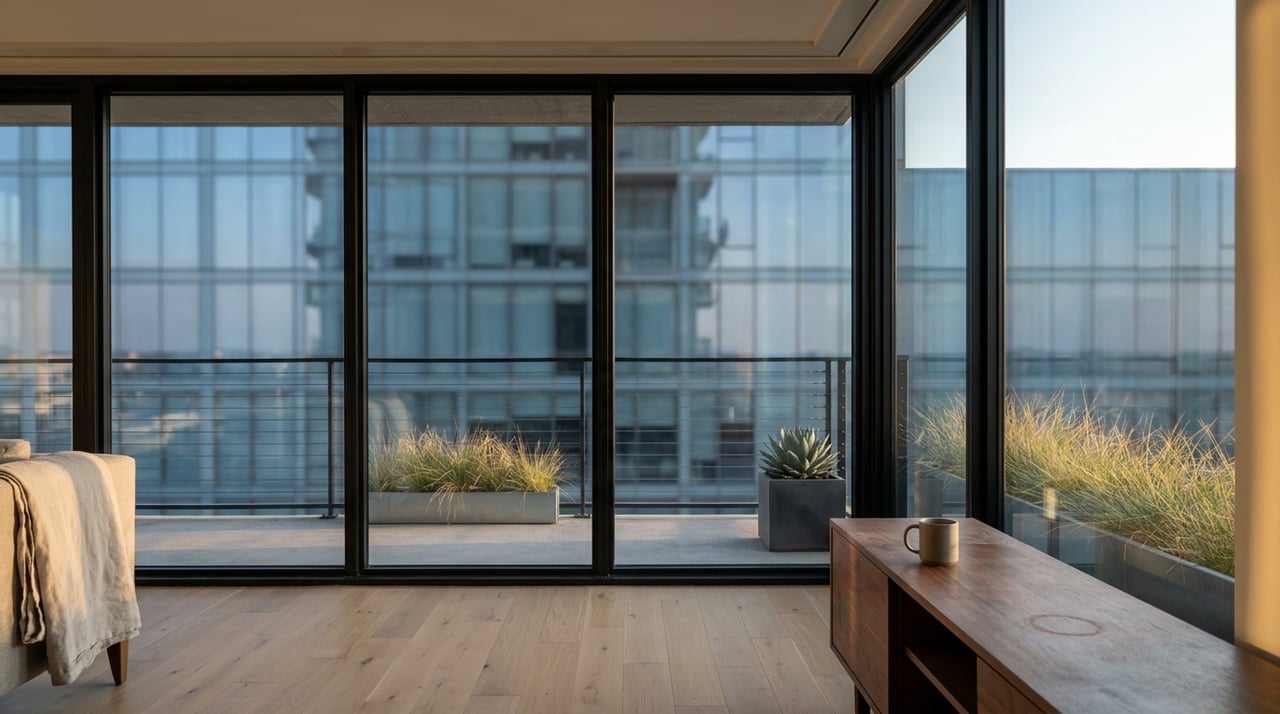
High‑rise towers often feature multiple elevators, concierge, pool, fitness center, package rooms, and climate‑controlled parking. You get amenities and views, which can help long‑term value. You also see higher HOA dues and more structured rules that shape daily life and rentals.
Mid‑rise and low‑rise buildings
Mid‑rise or boutique buildings tend to have fewer amenities and sometimes lower HOA dues. Access can be simpler with shorter elevator waits. Management and reserves can vary, so review financials closely.
Converted and mixed‑use buildings
Converted or historic properties offer character and a unique feel. Mixed‑use buildings place homes above retail or offices, which adds convenience. Be sure to consider noise from ground‑floor businesses, delivery schedules, and trash logistics.
What to check in any building
- Mechanical systems and soundproofing.
- Window orientation, heat, and glare.
- Elevator performance and maintenance history.
- Security, package handling, and trash/recycling procedures.
HOA dues, documents, and financial health
What dues typically cover
Condo dues generally fund building maintenance, common area utilities and HVAC, elevators, janitorial, trash, landscaping, insurance for common areas, reserve contributions, and staffing or management. Some buildings include water or other utilities. Confirm what is included because it affects your monthly budget.
Essential documents to review
Ask for the full resale or estoppel packet and review it carefully. Key items include bylaws and declaration, current budget, financial statements, reserve study, rules and regulations, board meeting minutes, insurance summary, pending litigation, and any special assessments. Also request the management contract and information on delinquent dues.
Financial health indicators
- Reserve fund balance and the most recent reserve study.
- Trends in operating vs. reserve spending and past reliance on special assessments.
- Owner‑occupancy and investor mix, plus delinquency rates.
- Age and status of major systems and any large capital projects.
Governance and livability rules
Rental policies, short‑term rental rules, pet and smoking policies, renovation approvals, and parking or storage transfer rules all shape day‑to‑day living and future resale. Read the minutes to see how the board operates and how issues are handled.
Parking, storage, and utilities
Parking types to clarify
- Deeded or assigned spaces and whether they convey with the sale.
- Single vs. tandem spaces and actual dimensions.
- Guest parking availability and enforcement.
- Street parking and city permit limits near downtown.
- EV charging access and HOA rules for installation in assigned spaces.
Storage and bikes
Confirm if storage lockers or cages are deeded or assigned and where they are located. If you bike, verify secure bike room access and capacity.
Access, loading, and moving logistics
Ask about move‑in elevator reservations, fees, and time windows. Confirm package delivery protocols and any ongoing construction or road closures that affect access.
Utilities and internet
Confirm which utilities are individually metered vs. billed through the HOA. Ask which internet providers serve the building and whether a bulk contract limits your options.
New vs. resale condos
Use this quick comparison to narrow your search.
| Factor | New Construction | Resale |
|---|---|---|
| Highlights | Modern codes, warranties, new amenities, possible incentives | Established records, known community mix, immediate occupancy |
| Common Risks | Phased construction, developer‑controlled board early on, quality varies by builder | Deferred maintenance, upcoming capital projects, older mechanicals |
| Due Diligence | Builder track record, completion schedule, what is included in price, warranty process | Full review of reserve study, minutes, assessments, building inspection focus on envelope and systems |
| Timing | Can take months from contract to delivery | Typical loan closings in 30 to 45 days |
Financing differences to know
Some lenders and programs require building approval. FHA and VA programs maintain condo approval lists. If you plan to use these loans, check building eligibility early to avoid delays.
Your step‑by‑step timeline
Every deal is unique, but this overview helps you plan.
- Pre‑purchase prep, 1 to 4 weeks
- Get mortgage preapproval or prepare proof of funds.
- Shortlist neighborhoods and buildings. Plan tours.
- Offer and contract, 1 to 3 days to negotiate
- Include financing, inspection, and HOA document contingencies.
- Submit earnest money per contract.
- HOA documents, a few days up to about 2 weeks
- Seller or HOA provides the resale packet for you and your lender to review.
- Confirm delivery timelines and document fees.
- Inspections and disclosures, typically 7 to 14 days
- Inspect the unit, then review building‑level concerns like envelope, balconies, waterproofing, plumbing risers, elevators, and HVAC for common areas.
- Read board minutes and financials at the same time.
- Appraisal and underwriting, 2 to 3 weeks
- Appraisal may include building comps and project approval checks.
- Lender clears conditions and issues clear‑to‑close.
- Closing, 30 to 45 days for conventional loans
- Coordinate HOA transfers for parking, storage, keys, and amenity access.
- New construction can take longer based on build schedule.
- Post‑closing, 0 to 30 days
- Register with building management, set move‑in date, and connect utilities and internet.
Cash deals can shorten the process by removing appraisal and underwriting steps.
Local Austin specifics to factor in
- Short‑term rentals: City rules and building policies can change. Verify both before counting on STR income.
- Flood and drainage: Proximity to Lady Bird Lake and low areas may raise flood concerns. Review floodplain maps and building history.
- Events and nightlife: Downtown hosts major events like SXSW and ACL that affect traffic, access, and noise. Visit at different times to gauge the experience.
- Construction and skyline change: New towers can alter sun, wind, and views over time. Check nearby permits and planned projects.
- Energy and summer heat: Window orientation, glazing, and HVAC matter for comfort and cost.
- Property taxes: Texas property taxes can meaningfully impact your carrying costs. Plan your budget with local tax rates in mind and review appraisal information.
What to ask on every tour
Use this checklist so you do not miss key items.
Documents and finances
- When can I review the resale packet, bylaws, budget, reserve study, minutes, insurance, and any litigation disclosures?
- Are there recent or planned special assessments?
- What utilities are included in dues and how are the rest billed?
Parking, storage, and access
- Is parking deeded and does it convey? What are the dimensions and type?
- Where is storage and is it deeded or assigned? Is there secure bike storage?
- Are EV chargers available and what is the policy to add one?
Lifestyle and rules
- What are the short‑term and long‑term rental policies?
- What are the pet policies and renovation approval process?
- How are move‑ins scheduled and what are noise guidelines?
Building condition and operations
- How old are the roof, elevators, and common HVAC? Any recent upgrades?
- How often are elevators serviced and what is the uptime history?
- How does the building handle trash, recycling, and packages?
Financing and resale
- Is the project eligible for your loan type? Any resale restrictions?
- What is the owner‑occupancy ratio and delinquency rate?
Ready to buy with confidence?
You deserve a clear process, strong due diligence, and a downtown lifestyle that fits how you live. If you want curated building research, on‑ and off‑market opportunities, and hands‑on guidance from first tour to closing, connect with Lesley Taylor. Let’s make your first Downtown Austin condo a smart, confident purchase.
FAQs
What areas does this Downtown Austin guide cover?
- This guide focuses on the Central Business District and the Rainey Street District near Lady Bird Lake, which include high‑rise and mid‑rise condo options.
How do HOA dues impact my budget for a downtown condo?
- Dues can include building operations, common utilities, reserves, and staffing, and they are often higher in full‑service towers, so build them into your monthly affordability.
Are short‑term rentals usually allowed in Downtown Austin condos?
- Policies vary by city rules and by building; confirm both before you rely on STR income because many associations restrict them.
What should first‑time buyers ask about parking downtown?
- Confirm if the space is deeded or assigned, whether it conveys, the size and configuration, guest parking rules, and EV charging policies.
How long does it take to close on a Downtown Austin condo?
- Conventional loans often close in 30 to 45 days, cash deals can be faster, and new construction closings depend on the build schedule.