Ask a longtime East Sider about the same low building on the east side and you'll get three answers depending on who's talking. To one person, it's still Hard Luck Lounge. To another, it was Sunny's Backyard for a stretch. To anyone who's been paying attention this year, it's Stoney's Good Time Ranch, a patio bar with pool tables and a rotating food truck lineup that currently includes Flyrite Chicken. Same foundation, same roofline, three identities, one after another.
That's the pattern worth naming for anyone who actually lives in East Austin right now, not the tourist-guide version where every new taco counter gets equal billing. The neighborhood isn't expanding into new square footage nearly as fast as headlines suggest. It's recycling the square footage it already has, and the businesses that move fastest are the ones that don't have to build anything new to do it.
One Address, Three Names
Stoney's is the clearest case, but it's not the only one. Siti, the Southeast Asian restaurant from Chef Laila Bazahm that picked up a CultureMap Tastemaker Awards nomination for Best New Restaurant this year, didn't build a new dining room. It moved into the space Poeta vacated when that Italian restaurant relocated to its third home inside the East Austin Hotel on East Sixth. Konbini, the walk-in-only late-night sushi counter from Tare chefs Michael Carranza and Danielle Martinez, didn't get its own storefront either. It set up behind Papercut, an existing cocktail bar, after months running as a pop-up in the same spot.
Even the moves that look like closures are usually relocations in disguise. Cenote, the longtime coffee shop, left its Cesar Chavez Street address in April 2025 and reopened four months later on East Seventh, a few blocks away rather than gone for good. Flyrite Chicken lost its brick-and-mortar location in early 2025 and came back a little over a year later, not with a new lease of its own but as a food truck parked at Stoney's, folded into somebody else's real estate.
Line them up and the pattern reads like a short chain of custody:
- Hard Luck Lounge → Sunny's Backyard → Stoney's Good Time Ranch, same building, three tenants
- Poeta → Siti, one storefront, two very different menus
- Cenote (Cesar Chavez) → Cenote (East Seventh), a lateral move within the same few blocks
- Flyrite Chicken (brick-and-mortar) → Flyrite Chicken (food truck at Stoney's), a business that survived by shrinking its footprint into someone else's
None of this is decline. It's speed. A building that already has plumbing, a hood vent, and a liquor license attached to the address turns over in months. A building that has to be built from the studs up does not.
The Six-Year Wait Behind One Bungalow
Austin Oyster Co. is the counterpoint that proves the rule. The raw bar operation spent six years as a pop-up, shucking oysters at events like Luck Reunion and Circuit of the Americas before it finally landed a permanent home this year in a renovated 1950s East Austin bungalow. Six years of building a following before it opened a single door of its own. Compare that to Fish Shop, which opened in July 2025 and had already landed Texas Monthly's #4 best new restaurant of 2026 by the time most of the neighborhood had eaten there twice.
The difference isn't quality. It's the kind of address each one needed. Fish Shop and Siti dropped into spaces someone else had already permitted, plumbed, and parked in front of. Austin Oyster Co. needed a full residential-to-commercial conversion, and that kind of project runs on a very different clock than a menu change inside four existing walls.
What a Ground-Up Build Actually Costs in Time
Karaz makes the clock visible. The Middle Eastern restaurant from the team behind Suerte, Este, and Bar Toti has been in development since 2024, with Chef Alejandra Kuri, who spent five years working her way up from line cook at Suerte to chef de cuisine at Este, set to lead the kitchen. Filings with the Texas Department of Licensing and Regulation put the project at 4,500 square feet with 1,000 square feet of outdoor dining, and completion isn't expected until early 2027.
That's roughly three years from concept to plates on tables, backed by a restaurant group with real capital and a proven track record. Compare that to how fast Stoney's took over from Sunny's Backyard, or how quickly Siti stepped into the space Poeta left behind. If you're timing your expectations around when the next hot opening lands near you, the honest answer is that it depends entirely on whether the operator is renovating someone else's shell or pouring a new foundation. One takes a summer. The other takes years.
Govalle's Paperwork Finally Caught Up
The same lag shows up at the neighborhood level, not just the storefront level. Govalle was officially designated a Cultural District this year, a piece of paperwork that formally recognized institutions that had already been doing the work for years: the Museum of Human Achievement, the Canopy creative community at 916 Springdale, and the 979 Springdale business hub. Canopy itself has run its first-Saturday Open Canopy studio tours, free and open from 1 to 4 p.m., for long enough that regulars don't think of it as new. The city's designation didn't create any of that. It just caught up to something the neighborhood had already built for itself.
Stoney's Good Time Ranch takes its name from an actual horse named Stoney. The building itself has had far less continuity than the animal.
What to Actually Watch For
If you live here, the practical takeaway isn't which restaurant to try first. It's where to look when something changes. A new name over an old awning on Cesar Chavez or Springdale is worth more attention than a construction fence, because the awning means someone with local knowledge saw an opening and moved fast. A construction fence means you're watching a multi-year bet, the kind Karaz is making, and you likely won't taste the payoff until 2027 at the earliest.
Bluff's, the new neighborhood bar from owners Austin Anderson and Andrew Ramirez, opened this way, sliding into an existing footprint on one of the busiest nightlife stretches in the neighborhood rather than waiting on new construction. CAMPO, the coastal Mexican spot on East Sixth, and Uptown Sports Club, Aaron Franklin's all-day concept, both landed the same way, inside buildings that already had the bones a restaurant needs.
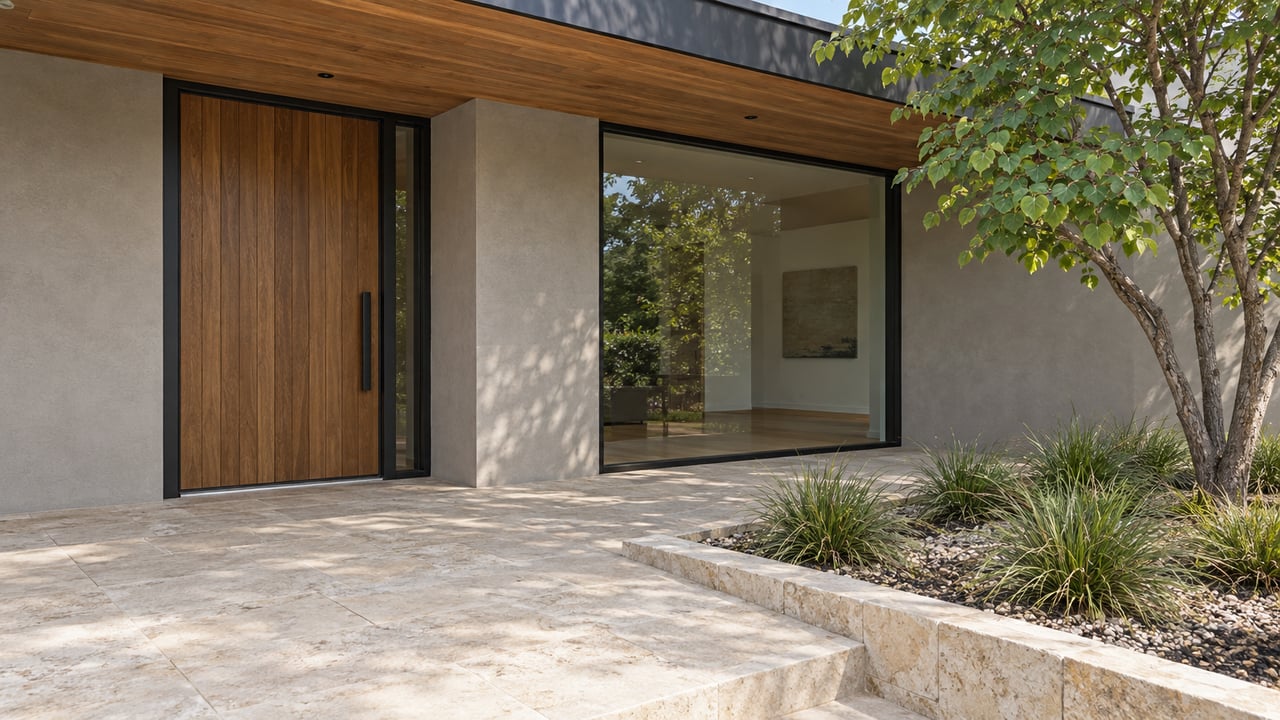
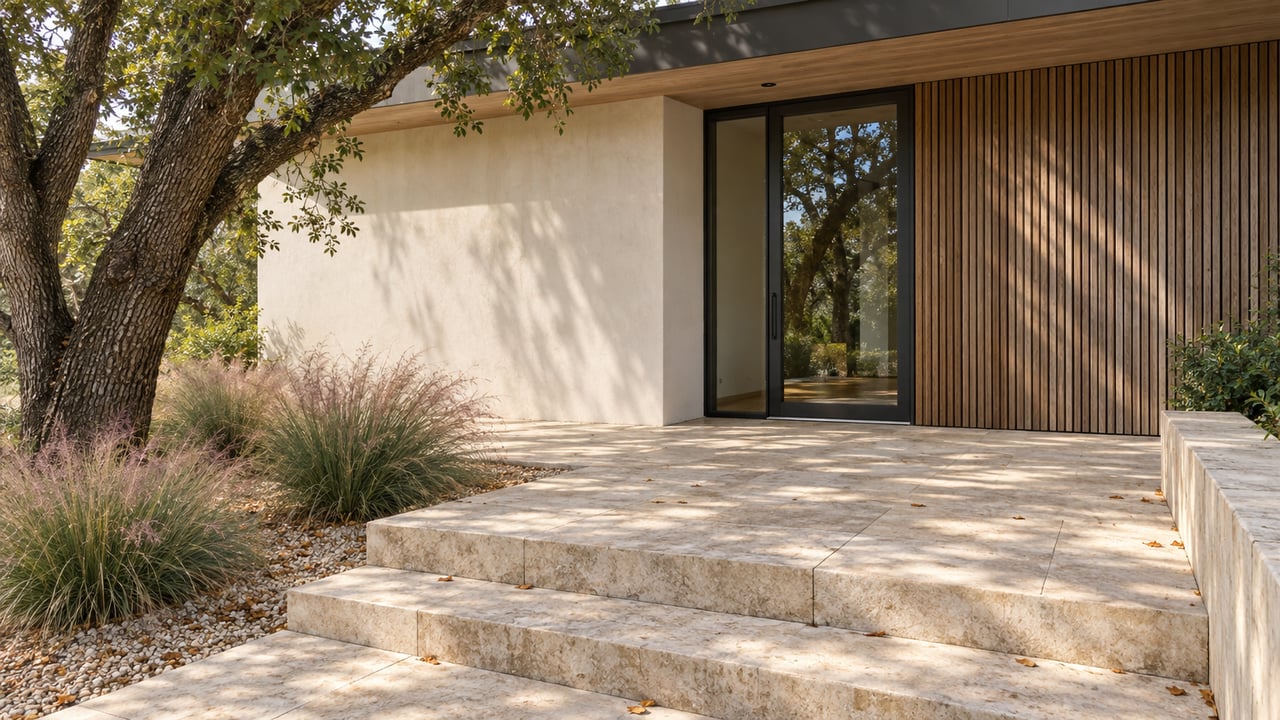
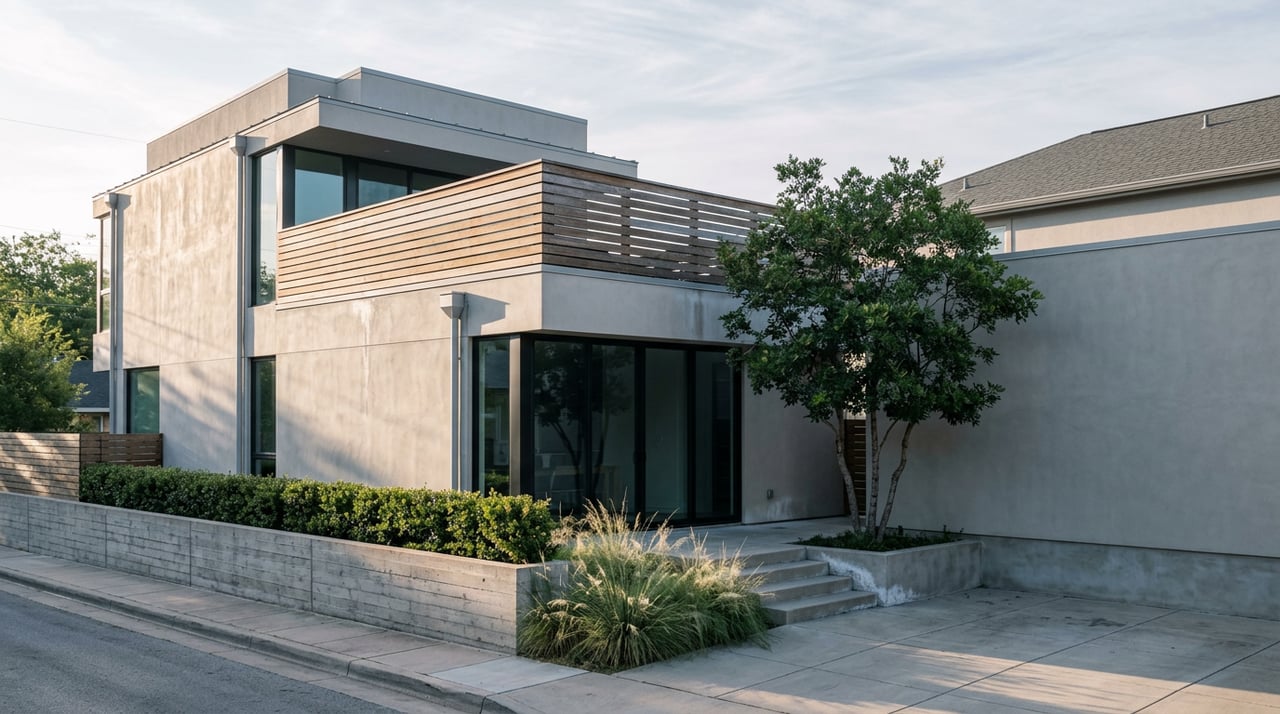
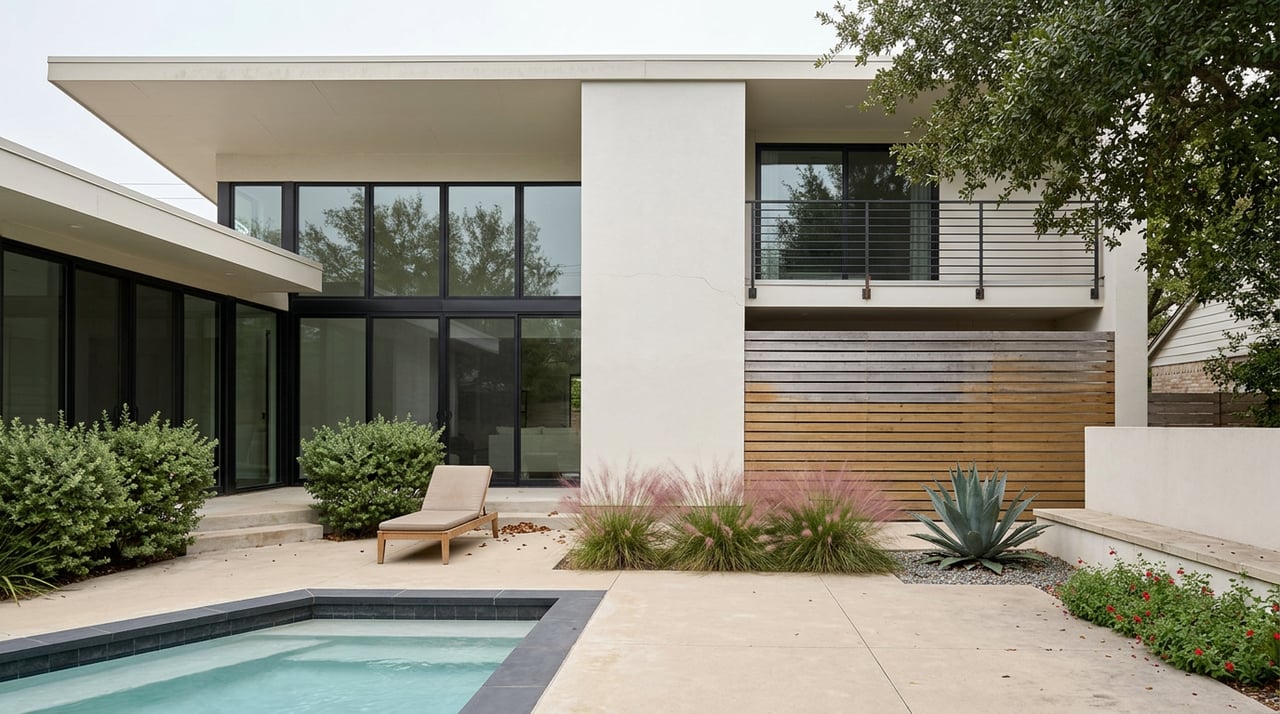
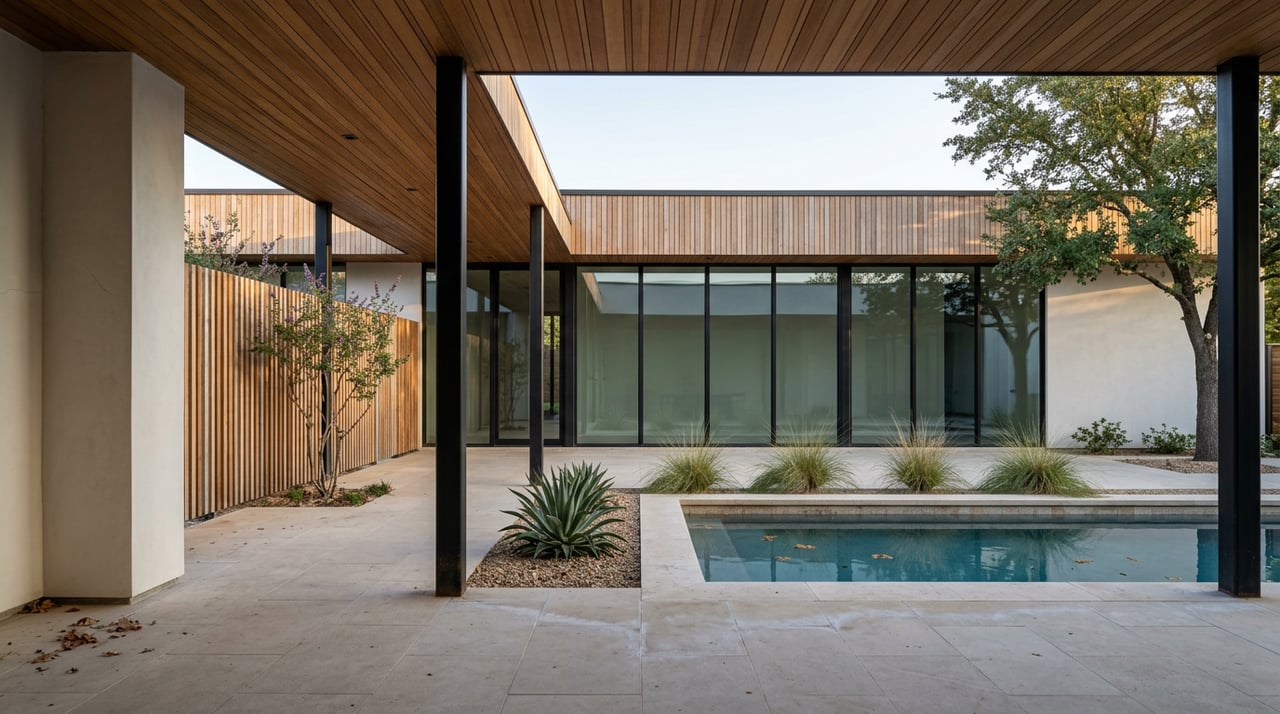
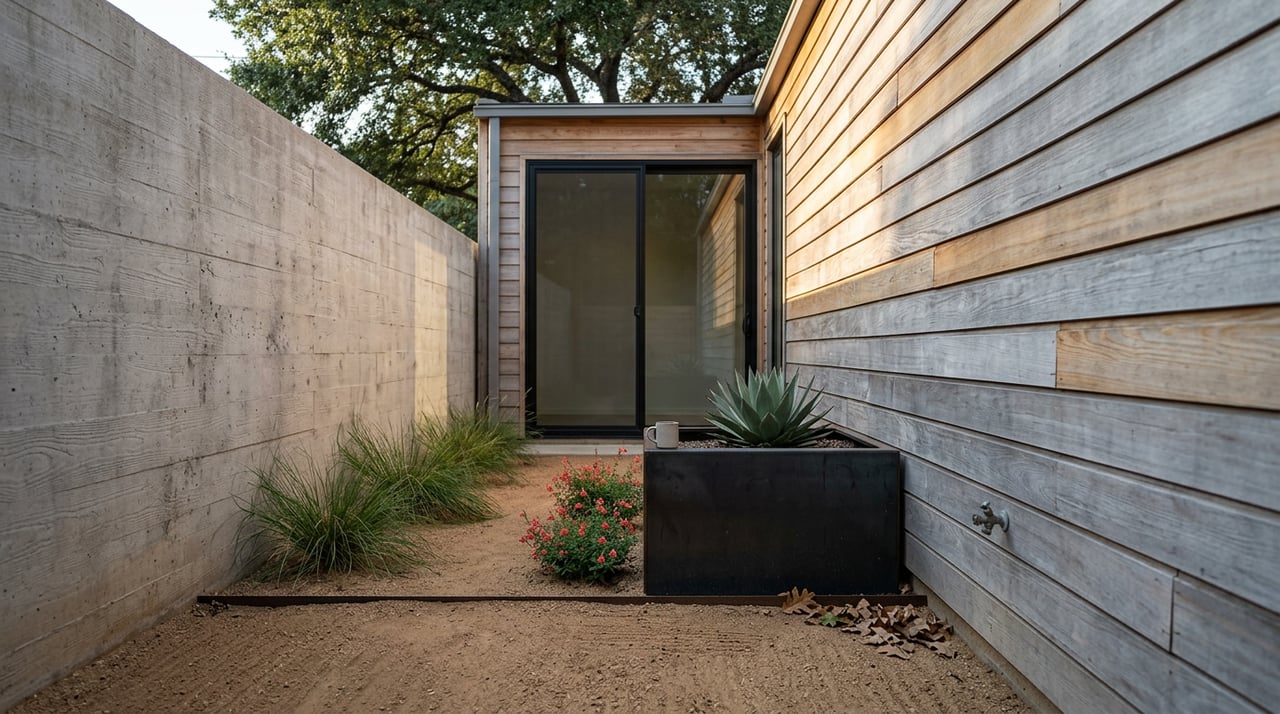
None of this changes what East Austin looks like from the street. The bungalows, the converted warehouses, and the low storefronts along Cesar Chavez and Springdale are largely the same ones that were here five years ago. What's changed is what's happening inside them, and how often. That's not a story about a neighborhood disappearing under new development. It's a story about a neighborhood that's found a faster way to reinvent itself without touching the walls.
If you're curious how that same housing stock, the bungalows and converted spaces that keep making room for the next tenant, holds up as a place to actually live, the architectural character running through East Austin is worth a closer look. And if you ever want to talk through what any of this means for your own address, Lesley Taylor is always glad to compare notes. Let's Connect.